Maria Oliva Bonaldo is a venerable of the Catholic Church (1893 - 1976).
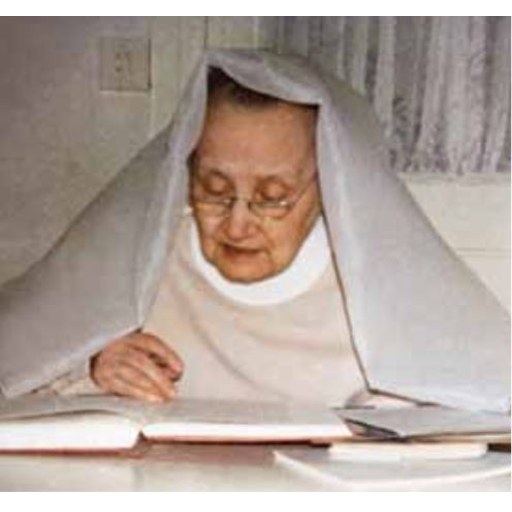
Duneir
License: CC BY-SA 4.0
Maria Oliva Bonaldo
Venerable- Life Span
- 1893 - 1976 (age 83)
- Gender
- female
- Church
- Catholic
Places
Roles & Family
Religious Information
Biography
Maria Oliva Bonaldo was born on 26 March 1893 in Castelfranco Veneto, in the province of Treviso in the Veneto region of northern Italy. She grew up in a Catholic milieu in late nineteenth- and early twentieth-century Italy and worked as a teacher before entering consecrated life as a foundress. Her later spirituality and apostolate remained marked by that educational background: she emphasized formation, the interior life of the baptized, and service carried out in ordinary pastoral settings rather than in a withdrawn monastic enclosure.
In the interwar decades she developed a spirituality centered on the mystery of the Church as the Mystical Body of Christ and on a form of consecration lived in close union with the liturgical and pastoral life of the local church. That orientation belonged to broader currents of liturgical renewal and ecclesial awareness in twentieth-century Catholicism. Gathering companions who shared this ideal, she founded the Congregation of the Daughters of the Church (Figlie della Chiesa) in 1938. In religion she was known as Maria Oliva of the Mystical Body (Maria Oliva del Corpo Mistico). The sisters were to live “in the heart of the Church,” combining contemplative prayer with an active apostolate in parishes, catechesis, and the promotion of liturgical life and ecclesial communion.
Bonaldo guided the young institute as its foundress and first superior, overseeing its early expansion and the shaping of its constitutions and way of life. The congregation obtained canonical recognition and established its general house in Rome, where she spent her later years as the spiritual reference point of her sisters. The Daughters of the Church remained a relatively small women’s congregation of pontifical right, distinguished less by large institutional works than by a charism of ecclesial interiority and parish-based service.
She died in Rome on 10 July 1976. She has not been beatified or canonized. Her historical importance rests on her role as foundress of the Daughters of the Church and on her contribution to a twentieth-century form of consecrated life oriented toward the mystery of the Church and toward pastoral service within local Catholic communities in Italy and beyond.