Marie-Amélie Fristel is a venerable of the Catholic Church (1798 - 1866).
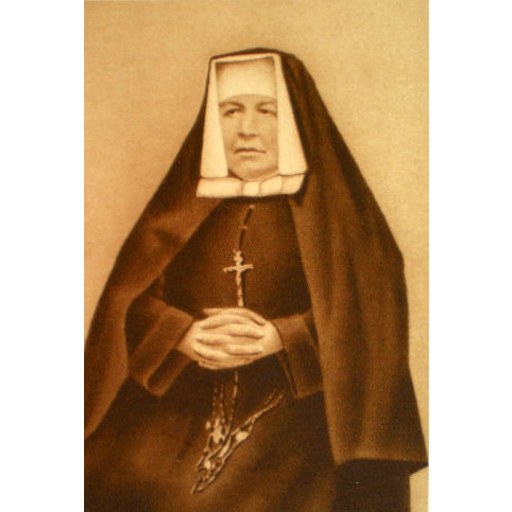
AnonymousUnknown author
License: Public domain
Marie-Amélie Fristel
Venerable- Life Span
- 1798 - 1866 (age 68)
- Gender
- female
- Church
- Catholic
Places
Roles & Family
Religious Information
Biography
Marie-Amélie Fristel was born on 18 July 1798 in Saint-Méen-le-Grand, a small town in Brittany in northwestern France, in the closing years of the French Revolution. She grew up in a merchant household during the slow restoration of Catholic life in a region that had seen churches closed and religious communities suppressed. From youth she wished to live a consecrated life, but family circumstances and the still-limited opportunities for women to enter convents in post-Revolutionary France kept her in the secular world for many years. She remained in her native town, assisting her family and turning increasingly to the poor, the sick, and children without schooling.
After the death of her parents she was free to devote her means and energy to charity. In the 1830s she gathered like-minded women who wished to live in community while serving Saint-Méen-le-Grand and the surrounding countryside. With the support of the parish clergy and the approval of the Bishop of Rennes, the group became a religious congregation dedicated to the Immaculate Conception. The Sisters of the Immaculate Conception of Saint-Méen took as their works the education of girls, especially the poor, care of the sick, and other works of mercy suited to rural Brittany. Fristel became the first superior, guiding early organization, the formation of the first sisters, and the drafting of a rule.
The institute grew during the wider revival of female religious life in nineteenth-century France, when many new communities were founded to meet social needs left by the Revolution. The sisters remained rooted in Brittany while opening further houses. Fristel insisted on a simple life of prayer, community, and practical service and combined government of the congregation with personal share in its daily labors. She continued to reside at the motherhouse in Saint-Méen-le-Grand until her last years.
She died in Saint-Méen-le-Grand on 22 December 1866. She has not been beatified or canonized and remains little known outside her congregation and local Breton Catholic memory. The Sisters of the Immaculate Conception of Saint-Méen continued educational and charitable work after her death. Surviving sources are limited chiefly to congregational records, diocesan notices, and brief entries in French religious dictionaries; many details of her inner life and the exact chronology of the foundation are known only in outline.