Marie-Joseph Lagrange is a servant of god of the Catholic Church (1855 - 1938).
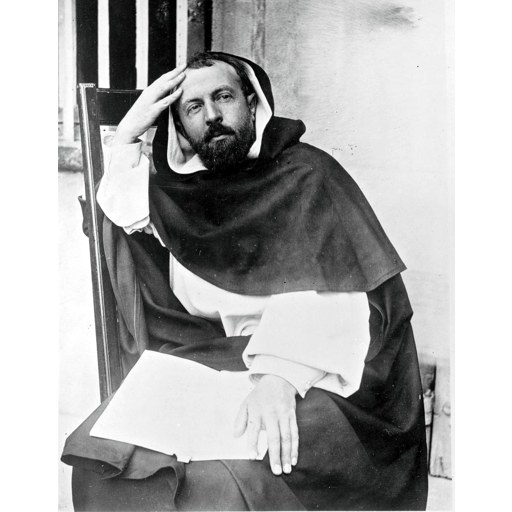
Unknown photographer
License: Public domain
Marie-Joseph Lagrange
Servant of God- Life Span
- 1855 - 1938 (age 83)
- Gender
- male
- Church
- Catholic
Places
Roles & Family
Religious Information
Biography
Marie-Joseph Lagrange, born Albert Marie-Henri Lagrange on 7 March 1855 in Bourg-en-Bresse in the Ain department of eastern France, was a French Dominican priest and a central figure in modern Catholic biblical scholarship. The son of a lawyer, he first followed a legal path and obtained a doctorate in law before discerning a religious vocation. In 1879 he entered the Order of Preachers, taking the name Marie-Joseph. After theological studies in Salamanca he was ordained a priest in 1883 and taught ecclesiastical history at the Dominican house of studies in Toulouse. Toward the end of the 1880s he was assigned to work in the Holy Land, a decision that shaped the rest of his life.
In 1890 he founded in Jerusalem the École Pratique d'Études Bibliques, later known as the École Biblique et Archéologique Française de Jérusalem. The school combined philology, history, and archaeology in the study of the Bible and of Palestine and became one of the principal Catholic research centers in the Near East. In 1892 he established the journal Revue Biblique, which remains a major organ of biblical scholarship. As director he insisted on first-hand knowledge of the land, of ancient languages, and of contemporary critical methods, and he trained generations of Dominican and other Catholic exegetes who worked in Jerusalem and beyond.
Lagrange argued that historical-critical study of Scripture could serve Catholic faith rather than undermine it. He published substantial commentaries on the Gospels of Mark, Matthew, Luke, and John, as well as studies of the Pentateuch and Genesis and a programmatic treatment of historical method in 1903. His work coincided with the Modernist crisis. Under Pope Pius X, parts of his Old Testament research were viewed with official suspicion, and he was for a time forbidden to teach on the Old Testament. He submitted to Roman directives while remaining at his post and continuing research within the limits imposed. Later Catholic teaching, notably the encyclical Divino afflante Spiritu of 1943 and the biblical documents of the Second Vatican Council, largely vindicated the historically informed exegesis he had championed.
In declining health he left Jerusalem and retired to the Dominican convent of Saint-Maximin-la-Sainte-Baume in Provence, where he died on 10 March 1938. He was never beatified or canonized and has no liturgical feast or official patronage. His reputation rests on the École Biblique, on the Revue Biblique, and on his role in opening Catholic theology to modern biblical criticism while remaining within the Church.