Martyrius is a saint of the Catholic Church (d. 351). Martyrius's feast day is celebrated on 25 October.
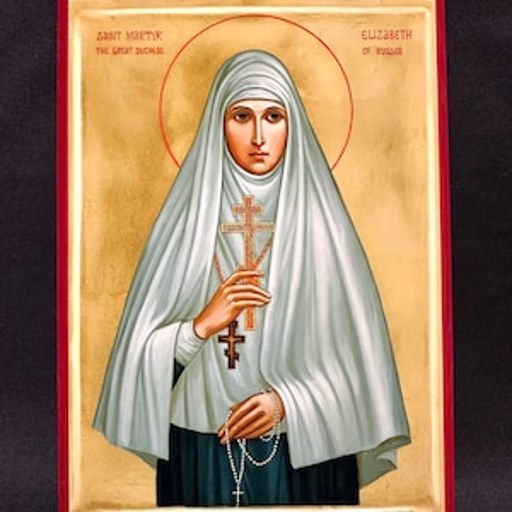
https://etsy.com/market/martyr_icon
License: unknown
Martyrius
Saint- Life Span
- d. 351
- Feast Day
- 25 October
- Gender
- male
- Church
- Catholic
Places
Roles & Family
Biography
The name Martyrius, from the Greek for witness, was borne by several early Christian figures. The Martyrius most widely commemorated in East and West is the fourth-century subdeacon and ecclesiastical notary of Constantinople who suffered death together with his companion Marcian. Martyrius served as a subdeacon while also acting as a notary, an office concerned with the drafting and keeping of church records. Marcian, with whom his cult is inseparably joined, served as a cantor or lector and likewise as a notary. The sources present both men as zealous upholders of the Nicene faith at a time when Arian and homoian teaching enjoyed imperial support in the eastern capital.
Their ministry unfolded amid the repeated deposition and restoration of Patriarch Paul I of Constantinople. Emperor Constantius II favored the Arian party and backed the installation of Macedonius on the episcopal throne. Marcian and Martyrius refused to recognize Macedonius or to abandon the doctrinal definitions of Nicaea. Hagiographical accounts preserved in the Byzantine synaxaria, and later taken up in Western martyrologies, relate that the two clerics were arrested on the orders of the Arian authorities, tortured, and finally beheaded with the sword. The traditional date assigned to their martyrdom is 351, in Constantinople itself, during the reign of Constantius II. The Roman Martyrology commemorates them as having been slain by the Arian Macedonius.
After the execution, Christians of the city recovered the bodies and buried them with honor. In later generations a church dedicated to Saints Marcian and Martyrius stood in Constantinople, and their relics became a focus of local veneration. Both the Eastern Orthodox synaxarion and the Roman Martyrology record their joint feast on 25 October, presenting them as models of clerical fidelity who sealed their testimony with blood. They are almost always invoked together rather than as independent cults.
Little independently verifiable information survives concerning Martyrius’s family, place of birth, or life before he appears among the Constantinopolitan clergy. No reliable source records a year of birth, a spouse, or children. The historical record shows him only in his ecclesiastical functions and in the circumstances of his death. Later liturgical texts praise the two notaries as scribes who wrote the truth of the faith not merely with ink but with their own blood. Beyond that hagiographical portrait, the details of Martyrius’s personal origins remain unknown.