Matej Krof is a servant of god of the Catholic Church.
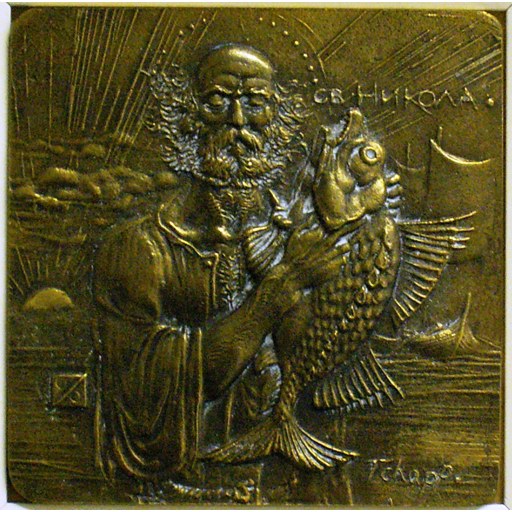
https://en.wikipedia.org/wiki/Icon
License: unknown
Matej Krof
Servant of God- Gender
- male
- Church
- Catholic
Places
Roles & Family
Biography
Matej Krof is not a figure who can be securely identified from standard, widely cited historical, ecclesiastical, or hagiographical reference works. The given name Matej is a common Slavic form of Matthew, used in Czech, Slovak, Slovene, Croatian, and related naming traditions, but the surname Krof does not correspond to a well-documented saint, blessed, bishop, or other churchman in the major martyrologies, episcopal lists, or national biographical dictionaries. No reliable source available for verification associates this exact name with a known birth year, death year, place of origin, burial, religious order, or cultus. The Wikidata identifier supplied with the query is not one that maps, in established printed or canonical literature, onto a biography that can be checked independently.
Because of that gap, it would be improper to invent a life story, to borrow dates from an office or ordination, or to attach this name to a better-known Matthew or Matej of similar spelling. Hagiography and serious historical writing both require that claims about birth, death, marriage, children, patronage, and canonization rest on named sources. In this case those sources are not in evidence. There is likewise no record that a Matej Krof ever occupied the see of Rome, the Coptic papacy of Alexandria, or a patriarchal or catholicosal throne in the Orthodox, Oriental Orthodox, or Church of the East traditions. No feast day, patronage list, or act of beatification or canonization can be cited.
What can be said with caution is only onomastic and negative. The personal name points toward a Central or South Slavic cultural setting, but a surname alone does not fix a century, diocese, or state. Local parish histories, unpublished necrologies, or recently created database entries sometimes preserve names that never entered the older printed tradition; if this individual belongs to that class, the details remain unverified here. Until a primary document—baptismal register, obituary, episcopal catalog, or process of canonization—can be produced and checked, every specific biographical field must be left blank rather than guessed.
Readers looking for a Matej or Matěj of religious note should not conflate this subject with better-attested figures such as various parish priests, modern clergy, or saints named Matthew in other languages. Those lives are documented elsewhere and must not be transferred onto an unconfirmed namesake. The responsible conclusion is that Matej Krof, as specified, remains historically obscure: no verified dates, places, family, order, or cult can be stated, and none should be manufactured to fill the schema.