Metody is a saint of the Eastern Orthodox Church (d. 885). Metody's feast day is celebrated on 14 February. Metody is the patron saint of Europe;Moravia;Czech lands;Slovakia;Bulgaria;Slavic peoples;ecumenism;unity of Eastern and Western Churches.
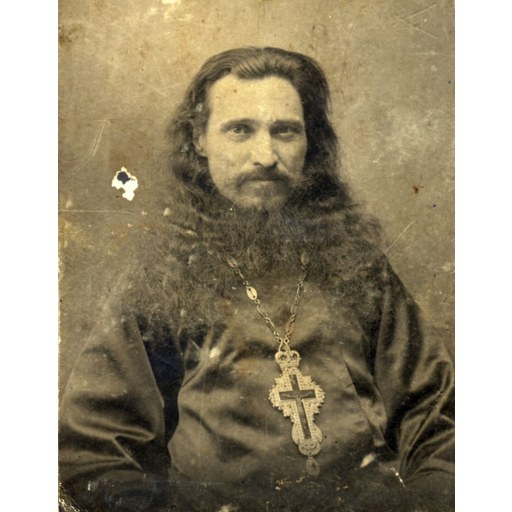
Unknown authorUnknown author
License: Public domain
Metody
Saint- Life Span
- d. 885
- Feast Day
- 14 February
- Gender
- male
- Church
- Eastern Orthodox
Places
Roles & Family
Patronage
Europe;Moravia;Czech lands;Slovakia;Bulgaria;Slavic peoples;ecumenism;unity of Eastern and Western Churches
Biography
Methodius, known across the Slavic world as Metody, was born in the early ninth century in Thessaloniki, an important port and administrative center of the Byzantine Empire. He belonged to a family of standing; his father Leo held a military post as drungarios. Methodius received an education suited to imperial service and for a time governed a Slavic district as archon, an experience that acquainted him with the language and ways of the Slavs. He later withdrew from public life, embraced monasticism, and took the name Methodius. He lived in a monastery in Asia Minor, where his younger brother Constantine, the future Cyril, also spent time in study and asceticism.
In the 860s the brothers were called to missionary and diplomatic service. After a mission among the Khazars, they were chosen to answer the request of Prince Rastislav of Great Moravia for teachers who could preach and celebrate the liturgy in the Slavic tongue. Constantine designed the Glagolitic alphabet, and the brothers translated essential biblical and liturgical texts into a literary Slavic based on the Macedonian dialects they knew. They worked in Moravia from about 863, forming a native clergy and encountering resistance from Latin-rite Frankish missionaries who regarded the new liturgy as an innovation.
After traveling to Rome, where Pope Hadrian II blessed their Slavonic books, Constantine died in 869 having become the monk Cyril. Methodius was consecrated archbishop with jurisdiction over Pannonia and the Moravian lands and returned to continue the work. Frankish bishops opposed him, convened a synod, and held him prisoner for roughly two and a half years until Pope John VIII obtained his freedom and again authorized the Slavonic liturgy, provided the Gospel was first read in Latin. Methodius spent his remaining years translating the greater part of the Bible, compiling legal and canonical collections, and ordaining Slavic priests and deacons.
He died on 6 April 885. Political change after his death led to the expulsion of his disciples from Moravia; they carried the Slavonic books and the Glagolitic tradition to Bulgaria, where the work flourished and the Cyrillic script later emerged. Methodius and Cyril are venerated as saints by Catholics and Orthodox alike. They are honored as apostles of the Slavs, patrons of Europe, and symbols of the possibility of unity between the Christian East and West. Their feast is observed on 14 February in the Latin Church and on 11 May in the Byzantine tradition, among other local commemorations.