Neofit Osipov is a saint of the Eastern Orthodox Church (1875 - 1937).
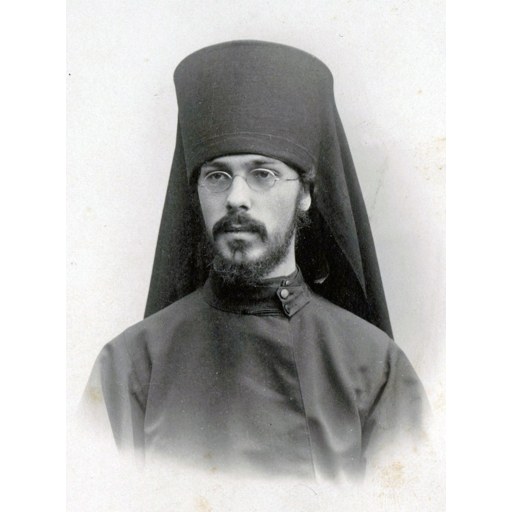
W. Clasen. St. Petersburg
License: Public domain
Neofit Osipov
Saint- Life Span
- 1875 - 1937 (age 62)
- Gender
- male
- Church
- Eastern Orthodox
Places
Relics & Where to Venerate
Location unknown
The bodily remains of Neofit Osipov are a first-class relic. Venerated at Mariinsky District.
Roles & Family
Biography
Archimandrite Neofit (in the world Nikolai Aleksandrovich Osipov) was a Russian Orthodox monk, priest, and spiritual writer of the late nineteenth and early twentieth centuries. He was born in 1875 in Moscow, then the second capital of the Russian Empire. After secondary theological schooling he entered the Moscow Theological Academy, one of the four higher ecclesiastical schools of the imperial Russian Church, and completed his studies there at the beginning of the twentieth century. Choosing the monastic life, he was tonsured with the name Neofit and ordained to the priesthood, later receiving the rank of archimandrite, a senior monastic dignity.
In the years before 1917 he served in the Church’s system of theological education as a teacher and inspector in seminaries, and he wrote on Orthodox spirituality, prayer, and the inner life. His work belonged to the last generation of clergy formed entirely within the structures of the imperial Church. Surviving notices of him are sparse and come chiefly from academy records and later biographical dictionaries of the Russian clergy.
The Bolshevik Revolution and the Soviet campaign against religion placed him, like countless other monks and priests, under growing pressure. He remained in Moscow and continued priestly and monastic service as far as conditions allowed. Soviet authorities arrested him more than once in the 1920s and 1930s as part of the broader repression of clergy who would not abandon their vocation or submit to state control of the Church.
During the Great Terror of 1937 he was arrested again and sent to the Siberian camp system (Siblag). He died in the camps on 3 November 1937. The precise circumstances of his death and the place of burial are unknown, as is typical for many victims of the Gulag. He is recalled in some ecclesiastical and historical literature among clergy who suffered for the Orthodox faith in the Soviet period, but he does not appear in the standard lists of officially glorified New Martyrs and Confessors of Russia, and no feast day or patronage is attached to his name in ordinary liturgical calendars. Information about his life remains limited.