Nicholas is a saint of the Eastern Orthodox Church.
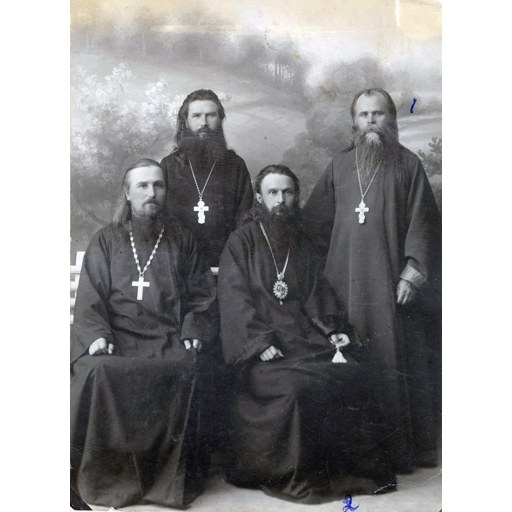
Фотограф и издатель неизвестен
License: Public domain
Nicholas
Saint- Gender
- male
- Church
- Eastern Orthodox
Places
Biography
The individual identified in Wikidata as Q4320627 under the name Nicholas cannot be matched with certainty to a specific historical or hagiographical biography from standard reliable sources. Nicholas is among the most frequently occurring names in Christian tradition, borne by bishops, monks, martyrs, popes, and patriarchs across many centuries and regions. The best-known bearer is the fourth-century bishop of Myra in Lycia, whose later legends of secret charity and miracles influenced popular devotion in both East and West, yet that figure corresponds to a different Wikidata identifier and cannot be assumed here. Absent a linked encyclopedia article or corroborating primary evidence tied to this exact item, no birth year, death year, or place names can be verified.
Church history records numerous other men named Nicholas, including Roman pontiffs from the ninth through fifteenth centuries, occupants of patriarchal thrones in Constantinople, Alexandria, and Antioch, as well as local bishops, ascetics, and confessors in the Byzantine world, medieval Latin Europe, the Slavic lands, and later Orthodox jurisdictions. Synaxaria, martyrologies, and episcopal lists mention many of them only briefly, often with legendary accretions added generations later. For an entry lacking an accessible Wikipedia page, these compilations do not supply a documented life that can be attached to Q4320627 without conjecture.
Hagiographical writing characteristically mixes sparse contemporary notices with subsequent miracle stories and moral exempla. Even comparatively well-attested figures generate scholarly disagreement over precise chronology and the historicity of particular episodes. When the subject is obscure or merely catalogued by an identifier, the surviving record is typically thinner still, sometimes reduced to a name in a liturgical calendar or a passing reference in a later chronicle. Consequently dates of birth or death, family status, monastic profession, and exact offices remain unknown and are left blank rather than filled by analogy with better-known namesakes.
Patronage, feast days, and acts of canonization or beatification likewise belong to individual cults and cannot be transferred from one Nicholas to another. Some saints of this name are invoked for sailors, children, or merchants and are commemorated on widely observed dates; others receive only regional honor with little surviving documentation of their cultus. No such attributions are listed here. Further confirmation would require direct consultation of the Wikidata item, specialized ecclesiastical archives, or the liturgical books of a particular church.
The given name indicates a male subject. If the figure belongs to the clerical or monastic milieu implied by a hagiographical inquiry, he may have lived as a hierarch or monk, but that status is unconfirmed. The fields above therefore remain empty wherever a reliable source does not explicitly attach a fact to this identifier, in keeping with the requirement to prefer omission over unverified substitution.