Niphon Kausokalybites is a saint of the Catholic Church (1316 - 1411). Niphon Kausokalybites's feast day is celebrated on 14 June.
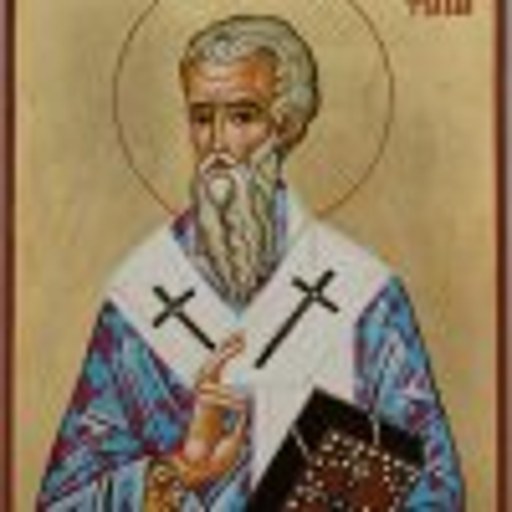
https://blessedmart.com/shop/hand-painted-icons/male-saints-icons/st-niphon-bishop-of-constantia-icon
License: unknown
Niphon Kausokalybites
Saint- Life Span
- 1316 - 1411 (age 95)
- Feast Day
- 14 June
- Gender
- male
- Church
- Catholic
Places
Roles & Family
Biography
Niphon Kausokalybites was a Greek Orthodox hieromonk and hesychast of Mount Athos, counted among the saints of the Eastern Orthodox Church. Tradition places his birth in 1316 in the village of Lukovë in the Himarë region of Northern Epirus, a Greek-speaking Orthodox district then associated with the Despotate of Epirus and today located in southern Albania. He received a rudimentary education in Himarë and entered monastic life at a young age at the Monastery of the Theotokos at Geromeri in Thesprotia, where he was tonsured and trained in the common life before seeking a stricter eremitical path.
He subsequently went to Mount Athos and lived for a time at the Great Lavra. There he became a disciple of Saint Maximos Kausokalybites, the well-known fourteenth-century hermit whose custom of burning his hut and moving on earned him and his followers the name Kausokalybites. Niphon took up residence in the remote south-eastern part of the Athonite peninsula later called Kafsokalyvia. He practised extreme poverty, prolonged fasting, night-long prayer, and the hesychast discipline of inner stillness and invocation of the name of Jesus, in the same spiritual climate that produced the Palamite controversies of the mid-fourteenth century. Although ordained to the priesthood, he refused ecclesiastical advancement and remained a simple hermit.
Later Athonite and synaxarion accounts credit him with gifts of prophecy, clairvoyance, and healing, and describe him as a discreet spiritual father to other monks. Contemporary archival evidence for his career is limited; the portrait that survives is that of a typical late Byzantine cave-dweller rather than of a public ecclesiastical figure. He lived through decades of political fragmentation in the southern Balkans as Byzantine authority receded and Ottoman power advanced, yet the traditions about him stress withdrawal from worldly affairs.
Niphon died on Mount Athos in 1411. He is commemorated in the Eastern Orthodox liturgical calendar on 14 June. He held neither patriarchal nor papal office, lived as a celibate monk, and is not known to have been assigned particular patronages of cities, trades, or illnesses in the standard Orthodox lists. His veneration belongs to the local Athonite memory of the hesychast fathers of Kafsokalyvia, later received into the wider church calendar.