Offa di Benevento is a saint of the Catholic Church.
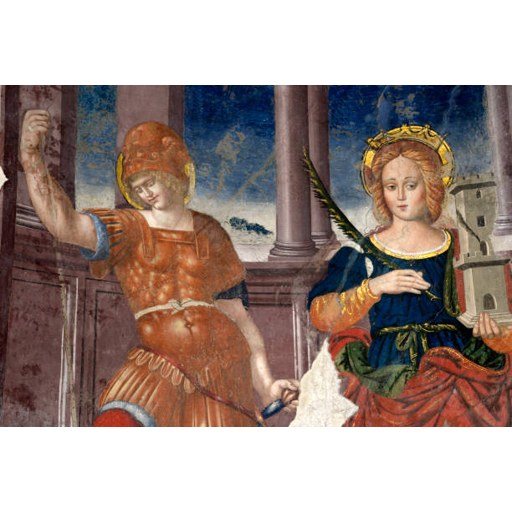
https://gettyimages.com/photos/saint-benedict-painting
License: unknown
Offa di Benevento
Saint- Gender
- male
- Church
- Catholic
Roles & Family
Biography
Offa of Benevento (Italian: Offa di Benevento) is a figure of extreme obscurity in both the historical and the hagiographical record. The epithet “di Benevento” links him to the city and former Lombard duchy of Benevento in southern Italy, a politically and ecclesiastically important centre from the late sixth century through the Norman period. Despite that geographic association, the name Offa does not appear among the well-documented dukes of Benevento, nor in the standard episcopal catalogues of the see. The principal narrative sources for the region—Paul the Deacon’s Historia Langobardorum, Erchempert’s Historia Langobardorum Beneventanorum, the Chronicon Salernitanum, and the various Beneventan annals—contain no clearly identifiable reference to a person of this name.
The personal name Offa itself is uncommon in the Lombard and later medieval onomastics of southern Italy and is far more characteristic of Anglo-Saxon England. This discrepancy has prompted some modern observers to wonder whether the Italian designation reflects a later confusion of names, a scribal error, or a purely local tradition that never entered the wider Latin historiography. No vita, passio, or liturgical office dedicated to Offa has been identified in the Bollandist Acta Sanctorum, the Bibliotheca Hagiographica Latina, or the Roman Martyrology. Consequently no feast day, patronage, or formal process of beatification or canonization can be documented from reliable sources.
In the absence of charters, inscriptions, or contemporary notices, essential biographical data remain unknown. Neither a year of birth nor a year of death can be established; the places of birth, death, and burial are likewise unrecorded. There is no evidence concerning marriage, offspring, or membership in a religious order. Offa is not known to have occupied the papal throne or any patriarchal see. Assertions sometimes encountered in poorly sourced genealogical or local-history compilations cannot be corroborated from medieval or early-modern authorities and must be set aside.
Benevento’s rich saintly tradition includes securely attested figures such as Saint Barbatus, the cult of Saint Januarius (whose relics were long kept in the city), and numerous early bishops and martyrs. Offa does not belong to this documented group. Local oral tradition or still-unpublished notes in Campanian archives might conceivably preserve additional details, yet until such material is critically edited and published the historian is obliged to admit that virtually nothing verifiable can be said about the life, career, or possible cult of Offa of Benevento.
This paucity of information is itself historically significant: it illustrates how many individuals who may have been of purely local importance in the early Middle Ages have left no recoverable trace in the surviving written record. Future discoveries in the Biblioteca Capitolare of Benevento or in the archives of Montecassino could alter the picture, but present knowledge requires that all specific claims about dates, family, office, or sanctity be left blank.