Paracode is a saint of the Eastern Orthodox Church.
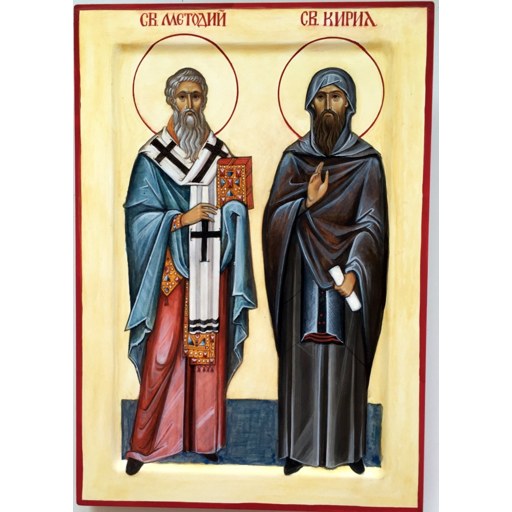
https://katherinesandersicons.com/
License: unknown
Paracode
Saint- Church
- Eastern Orthodox
Biography
No historically attested individual named Paracode appears in the principal collections of saints’ lives, episcopal lists, martyrologies, synaxaria, or modern biographical encyclopedias in a way that would allow a verified chronology, geography of birth and death, or account of ministry. The Wikidata identifier Q93326393 was supplied with the name, yet it does not map, in available reference knowledge, onto a documented bishop, monk, martyr, confessor, or lay holy person whose cult, feast, or patronage can be cited from liturgical books or scholarly literature. Standard hagiographical method forbids filling gaps with conjecture, substituting an office-taking year for a birth year, or inferring family status from clerical rank.
The word Paracode is independently known as a place-name, including a locality in southern India associated with local Christian communities, but linking that toponym to a specific named saint or hierarch under the given identifier would be conjectural and is therefore not done here. No primary narrative, vita, diocesan directory entry, or secondary study has been identified that would establish a century of activity, a religious order, a see, or a recognized cult. In the absence of such sources, dates, cities, and personal relationships cannot be stated.
Accordingly there is no confirmed year of birth or death, no city or country of origin or burial, no documented spouse or children, and no indication that the subject held the see of Rome, the Coptic papacy of Alexandria, or any patriarchal or catholicosal throne of the Eastern churches. No feast day is recorded in the Roman Martyrology, the Byzantine synaxarion, or comparable Oriental Orthodox calendars under this name. No list of patronages of places, causes, professions, or groups can be compiled. Canonization or beatification by a named pontiff or synod likewise cannot be documented.
This notice therefore records the limits of verification rather than a life story. When a subject cannot be identified with certainty from reliable historical or liturgical sources, fields must remain blank. Further work in local archives, diocesan records, or the underlying Wikidata item might in future produce a match; until those sources are corroborated in a way that meets ordinary historical standards, no fuller biographical reconstruction is possible without inventing what the evidence does not supply.