Petro Oros is a blessed of the Catholic Church (1917 - 1953). Petro Oros's feast day is celebrated on 27 August.
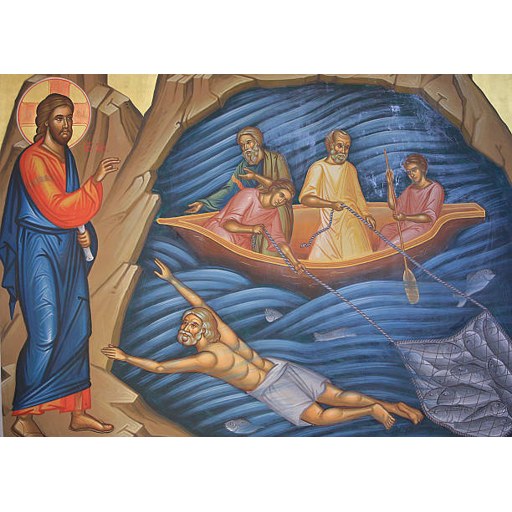
https://gettyimages.com/photos/saint-peter-painting
License: unknown
Petro Oros
Blessed- Life Span
- 1917 - 1953 (age 36)
- Feast Day
- 27 August
- Gender
- male
- Church
- Catholic
Places
Relics & Where to Venerate
Location unknown
The bodily remains of Petro Oros are a first-class relic. Venerated at Bilky.
Roles & Family
Canonization
Biography
Petro Oros (Ukrainian: Петро Орос; Hungarian: Orosz Péter) was a priest of the Greek Catholic Eparchy of Mukachevo who was killed in 1953 after continuing clandestine ministry following the Soviet suppression of the Greek Catholic Church in Transcarpathia. He was born on 14 July 1917 in the village of Biri in the Kingdom of Hungary, then still part of the Austro-Hungarian Empire. The Greek Catholics of this borderland were predominantly Rusyn, and Oros was formed in that Byzantine-Catholic tradition. He completed theological studies at the seminary in Uzhhorod, the historic centre of the Mukachevo eparchy, and was ordained to the priesthood on 26 June 1942 by Bishop Oleksandr Stoyka.
His priesthood began during the Second World War, when Transcarpathia was under Hungarian administration after having belonged to Czechoslovakia in the interwar years. In 1945 the territory was annexed to the Soviet Union and incorporated into the Ukrainian Soviet Socialist Republic. Oros served as a parish priest among rural communities of the eparchy, including in the Irshava district, and was remembered as a conscientious pastor of village faithful. The eparchy was soon struck by persecution. Bishop Stoyka died in 1943. Bishop Theodore Romzha, who then led the church in Transcarpathia, was mortally wounded in 1947 in an attack attributed to Soviet security organs and is himself venerated as a martyr.
In 1949 the Soviet authorities liquidated the Greek Catholic Church in Transcarpathia, in parallel with the earlier forced “reunion” imposed on Greek Catholics in Galicia. Priests were pressured to enter the Russian Orthodox Church; refusal meant arrest, imprisonment, or death. Oros declined to break communion with Rome. He therefore continued to exercise his ministry illegally, celebrating the Divine Liturgy in secret, administering baptism, confession, and the other sacraments, and visiting families who remained Greek Catholic. For several years he lived as an underground priest in a regime that treated such activity as a political offence.
On 27 August 1953, while travelling to bring the sacraments to the faithful near the village of Siltse in Zakarpattia, he was stopped by a Soviet militiaman and shot dead. He was thirty-six years old. The Catholic Church later determined that he had been killed in hatred of the faith. After the Greek Catholic Church was able to resume public life at the end of Soviet rule, local devotion to Oros developed in Transcarpathia and a cause for beatification was introduced. Pope Francis recognized his martyrdom, and he was beatified as Blessed Petro Oros. His memory is kept on 27 August, the anniversary of his death. He stands among the Eastern Catholic martyrs of the twentieth-century Soviet persecution.