Pimen Postnik is a venerable of the Catholic Church. Pimen Postnik's feast day is celebrated on August 7.
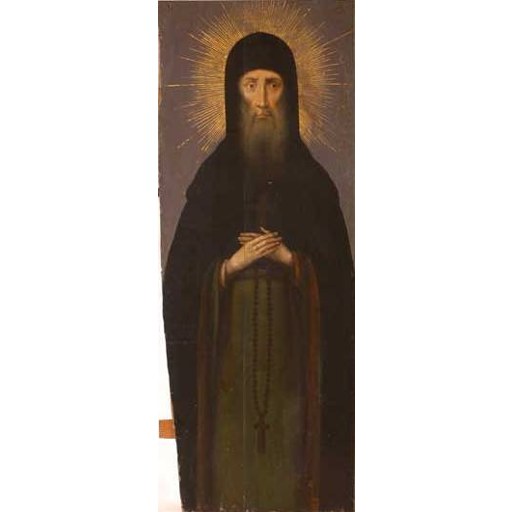
Unknown monk
License: Public domain
Pimen Postnik
Venerable- Feast Day
- August 7
- Gender
- male
- Church
- Catholic
Places
Roles & Family
Biography
Pimen Postnik, known in English as Pimen the Faster or Venerable Pimen of the Caves, was an Eastern Orthodox monk venerated as a saint in the churches of the East Slavic world. He is associated with the Kiev Pechersk Lavra, the Monastery of the Caves at Kiev in Kievan Rus'. The Slavonic epithet Postnik means the Faster and refers to the extreme abstinence in food for which monastic tradition remembered him. He belongs to the group of Pechersk Fathers whose relics lie in the Near Caves or the Far Caves of the lavra. Contemporary written evidence for his life is lacking. He is known from later liturgical calendars, synaxaria, and the hagiographical tradition of the Cave Monastery rather than from dated chronicle entries. Reference works distinguish at least two monks of this name at the lavra: one commemorated among the fathers of the Near Caves, often placed in the eleventh or twelfth century, and another among the fathers of the Far Caves, sometimes dated to the thirteenth or fourteenth century. Their notices are short and in places overlapping, so a responsible account treats Pimen Postnik as a figure of Pechersk memoria whose exact years of birth and death cannot be verified.
In the received lives, Pimen took the monastic habit at the Cave Monastery and became famous for fasting. Tradition states that he ate very little, in some versions only once a week or only uncooked food, and that he joined this abstinence to prayer, vigil, and humility. Such ascesis reflected the desert and Studite models that Saints Anthony and Theodosius of the Caves had established on the Dnieper in the eleventh century. Later texts ascribe to him gifts of healing and spiritual discernment, including help given to the sick and the possessed who sought the monastery. These miracle stories follow the usual patterns of cave-father hagiography and cannot be confirmed from independent sources. They present him as a wonderworking monk whose bodily fasting was believed to issue in authority to heal.
The same tradition says that he knew the hour of his death beforehand and that signs accompanied his repose in the cave, including, in some tellings, candles that lit themselves and a fragrance at the burial place. He was buried in the caves of the lavra. Relics under the name of Pimen the Faster have long been shown to pilgrims in the cave complex at Kiev, though sources disagree on whether the Near Caves or the Far Caves hold the remains of the saint so named, a confusion that follows from the existence of more than one Pimen. He was not a bishop, a patriarch, or a pope of Rome or Alexandria; his cult is that of a simple monastic saint. The Orthodox Church commemorates him on days linked to the Pechersk fathers, including 7 August, and in the synaxes of the venerable fathers of the Near Caves and of the Far Caves, dates which in the Julian calendar fall in late August and late September and are observed on the corresponding later civil dates in churches that use the Revised Julian or Gregorian calendar.
Veneration remained centered on the Kiev Caves and on the Orthodox calendars of Russia, Ukraine, and neighboring churches. There was no Latin-style papal canonization; like other early Pechersk saints he entered wider commemoration through local monastic cult, the Kiev Caves Patericon and subsequent menologia, and acceptance in Orthodox usage. He is not commonly listed as patron of particular cities, trades, or illnesses, though as one of the cave fathers he shares the general honor paid to the Pechersk brotherhood in Kiev and in East Slavic monasticism. Nothing reliable is recorded of his birthplace, family, or life before the monastery. The sources preserve a spiritual type rather than a full biography: the faster of the Caves, whose memory was kept in the lavra’s underground churches and in the liturgical year.