Prophet Obadiah is a saint of the Catholic Church. Prophet Obadiah's feast day is celebrated on November 19.
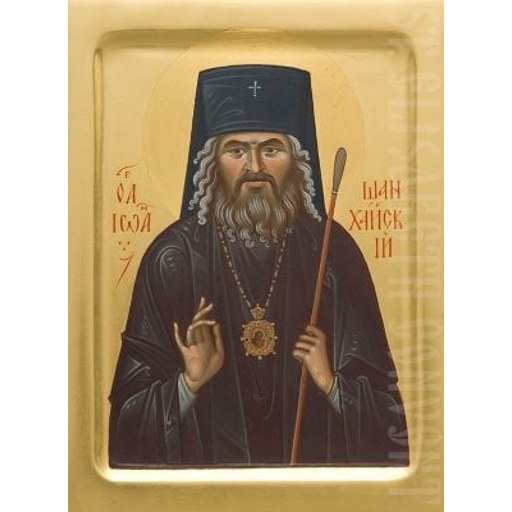
https://catalog.obitel-minsk.com/imp-01-00-st-abdias.html
License: unknown
Prophet Obadiah
Saint- Feast Day
- November 19
- Gender
- male
- Church
- Catholic
Roles & Family
Biography
Prophet Obadiah is the figure to whom the Book of Obadiah, the shortest book in the Hebrew Bible, is attributed. His Hebrew name, ʿŌḇaḏyāh, means servant of the Lord or worshiper of Yahweh. The biblical book that bears his name consists of a single chapter of twenty-one verses and contains no genealogy, no place of origin, and no autobiographical remarks. As a result, virtually nothing about his life can be established from contemporary historical evidence. The prophecy is presented as a vision concerning Edom, condemning that nation for pride and for violence against its brother people, Israel, especially at a time when Jerusalem suffered catastrophe.
Modern scholarship has not reached a consensus on the date of the book. One line of interpretation connects the oracle with Edomite hostility during the reign of Jehoram of Judah in the ninth century BCE, when Edom revolted and, according to Chronicles, Philistines and Arabs attacked Judah. Another widely held view dates the prophecy after the Babylonian destruction of Jerusalem in 586 BCE, because the text appears to presuppose the fall of the city and Edomite participation or gloating. Still other proposals place the work in the late exilic or early post-exilic period. None of these datings yields a verified year of birth or death for the prophet himself, and the superscription of the book supplies only the name Obadiah.
Jewish tradition sometimes identified the author with the Obadiah who served as steward in the household of King Ahab of Israel and who, according to 1 Kings 18, hid one hundred prophets from Queen Jezebel at his own expense. Rabbinic sources occasionally describe that Obadiah as a righteous convert from Edom. Christian writers of late antiquity, including Jerome, discussed the prophet among the Twelve Minor Prophets but did not recover additional historical facts. These identifications remain traditional rather than demonstrable, and most historians treat the author of the book as otherwise unknown. There are moreover several other men named Obadiah in the Hebrew Bible, which further cautions against conflating them without evidence.
In Christian liturgical practice Obadiah is venerated as a saint among the Old Testament prophets. The Roman Martyrology and the calendars of the Eastern Orthodox Churches commemorate him on 19 November. No reliable ancient source records his birthplace, the place or manner of his death, or a historically authenticated tomb, although later local traditions have associated his burial with sites in Samaria and elsewhere. He is not known to have held any later ecclesiastical office, and nothing documented survives concerning a spouse or children.
The enduring importance of Obadiah lies in the content of the short oracle: a warning that national pride and betrayal of kin will be judged, and a promise that deliverance will come on Mount Zion and that the kingdom will belong to the Lord. Because of the extreme brevity of the text and the silence of extra-biblical records, he remains among the most obscure of the biblical prophets, known almost solely through the vision that tradition ascribes to him.