Q4107190 is a venerable of the Catholic Church (1349 - 1444). Q4107190's feast day is celebrated on 25 July and 12 October.
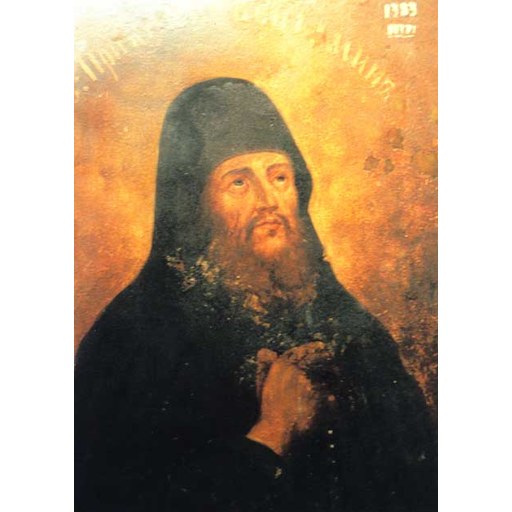
Unknown monk
License: Public domain
Q4107190
Venerable- Life Span
- 1349 - 1444 (age 95)
- Feast Day
- 25 July and 12 October
- Gender
- male
- Church
- Catholic
Places
Roles & Family
Biography
Saint Macarius of Unzha, also known as Macarius of the Yellow Waters (Makary Zheltovodsky), was a Russian Orthodox monk, ascetic, missionary, and monastery founder of the fourteenth and fifteenth centuries. He was born in 1349 in Nizhny Novgorod, then the seat of a Russian principality, to a family of devout Christians. From childhood he showed a marked inclination toward prayer and the monastic life. At the age of twelve he left his parents’ house and entered the Pechersky Monastery of the Caves in Nizhny Novgorod. There he received the monastic tonsure from Abbot Dionysius, later Archbishop of Suzdal. Macarius remained at the monastery for many years, practicing strict fasting, humility, and obedience, and acquiring a reputation for holiness among the brethren.
Seeking greater solitude, he eventually withdrew to a wilderness site known as the Yellow Waters on the Volga River. Disciples gathered around him, and he founded the Zheltovodsky Trinity Monastery. The community became both a center of ascetic life and a missionary outpost. Macarius preached among neighboring Finno-Ugric peoples, especially the Mari (Cheremis), a number of whom accepted baptism. His meekness, hospitality, and reported miracles drew pilgrims from the Volga region.
In 1439 the monastery was destroyed during a raid by Khan Ulu-Muhammad of Kazan. Macarius and the surviving monks were taken captive. Impressed by the elder’s conduct, the khan released them on condition that they would not rebuild at Yellow Waters. Macarius then led the brethren northward to the Unzha River in the Kostroma lands, where he established a new Trinity monastery that became known as the Makaryev Unzhensky Monastery. He spent his remaining years there in prayer and spiritual direction.
Macarius died on 25 July 1444 at the age of ninety-five and was buried at the Unzha monastery. Local veneration began shortly after his death. In the seventeenth century his relics were uncovered and found incorrupt; that event is commemorated on 12 October. He is remembered in the Russian Orthodox Church as a model of meekness, missionary labor, and monastic perseverance, and he continues to be venerated especially in the Nizhny Novgorod, Kostroma, and Volga regions associated with the two monasteries he founded.