Q4177460 is a venerable of the Catholic Church (1722 - 1794). Q4177460's feast day is celebrated on 15 November.
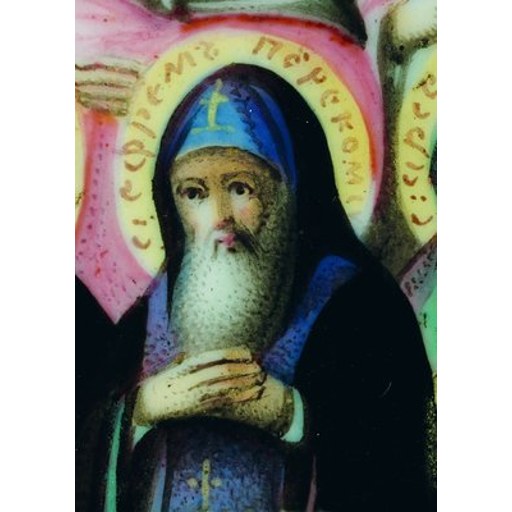
AnonymousUnknown author
License: Public domain
Q4177460
Venerable- Life Span
- 1722 - 1794 (age 72)
- Feast Day
- 15 November
- Gender
- male
- Church
- Catholic
Places
Roles & Family
Canonization
Biography
Paisius Velichkovsky was born Peter Velichkovsky in 1722 in Poltava, in the Cossack Hetmanate, into a clerical family; his father Ivan served as a priest. From childhood he was drawn to learning and to a life of piety. He received early schooling locally and later entered the Kiev-Mohyla Academy, then the foremost Orthodox school of the region. Finding its scholastic tone uncongenial and seeking instead a life of prayer and ascetic practice, he left the academy without taking a degree and began to visit monasteries in search of a living patristic tradition of inner prayer.
In the mid-1740s he went first to monasteries in the Romanian lands and then to Mount Athos. There he received the monastic tonsure with the name Paisius and gathered a multinational brotherhood of Slavic and Romanian monks devoted to hesychasm. On Athos he collected, copied, and translated Greek manuscripts of the Fathers, especially texts on the Jesus Prayer and watchfulness of the heart that had grown scarce in the Slavic world. Tensions with Athonite authorities and the growth of his community led him to accept an invitation from the Moldavian hospodar to settle in the principalities.
From 1763 he lived in Moldavia, first as abbot of Dragomirna, where hundreds of monks of several nations followed a strict cenobitic rule joined to the practice of unceasing prayer. After war disrupted that house he moved the brotherhood to Secu and finally to Neamț Monastery, which under his direction became the chief center of Orthodox spiritual revival in the eighteenth century. With his disciples he produced a Slavonic version of the Philokalia (the Dobrotolubiye) from Athonite sources; the work circulated in manuscript and later in print and deeply formed later Russian monasticism, including the Optina elders and the startsy of the nineteenth century.
Paisius taught obedience, frequent confession of thoughts, and the primacy of the Jesus Prayer, remaining a humble and laborious abbot who continued translation until his last days. He died at Neamț Monastery in 1794 and was buried there. His disciples carried his teaching into Russia, Ukraine, and Romania. The Russian Orthodox Church glorified him as a saint in 1988; he is also venerated in the Romanian and other Orthodox churches.