Q4419610 is a saint of the Catholic Church (d. 1642). Q4419610's feast day is celebrated on 12 September, 18 December. Q4419610 is the patron saint of Urals;Verkhoturye.
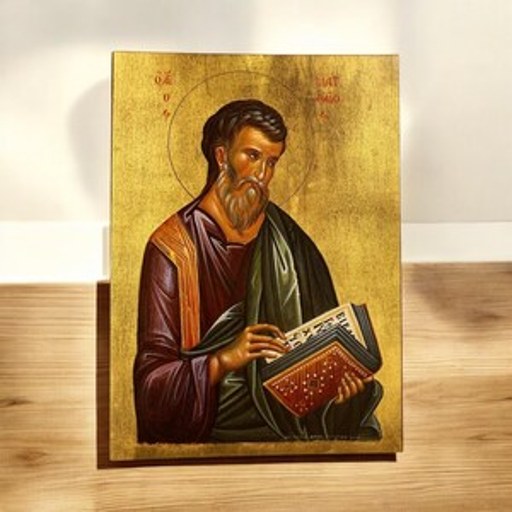
https://www.etsy.com/market/saints_icons
License: unknown
Q4419610
Saint- Life Span
- d. 1642
- Feast Day
- 12 September, 18 December
- Gender
- male
- Church
- Catholic
Places
Roles & Family
Patronage
Urals;Verkhoturye
Canonization
Biography
Saint Simeon of Verkhoturye, also called Simeon of Merkushino, was a Russian Orthodox righteous layman and wonderworker of the seventeenth century. Reliable historical details of his origins are scarce. Church tradition records that he came from a pious noble family in the European part of the Tsardom of Russia. After the death of his parents he declined to retain his inheritance or social rank and journeyed east into the Siberian frontier. He settled in the village of Merkushino on the Tura River, roughly fifty versts from the town of Verkhoturye in the region that later became Sverdlovsk Oblast.
There he lived in deliberate obscurity and poverty, hiding any sign of his former station. He worked as a tailor, sewing sheepskin coats and simple garments chiefly for local peasants. In an ascetic refusal of payment he often left garments unfinished or accepted nothing in return. In summer he fished in the Tura. He attended the village church of the Archangel Michael with regularity, devoted long hours to prayer, fasting and spiritual reading, and was remembered for meekness, non-possessiveness and quiet charity. Hagiographic accounts present him as remaining unmarried and childless, practicing chastity in the world rather than in a monastery.
Simeon died in 1642 and was buried beside the parish church at Merkushino. About fifty years afterward, in 1692, his coffin was observed to have risen from the ground; the relics proved incorrupt and were associated with numerous healings, especially of eye ailments and paralysis. Pilgrims began to arrive. In 1704, with the blessing of the Siberian hierarchy, the relics were translated to the Monastery of Saint Nicholas in Verkhoturye, where they have remained a focus of veneration and reported miracles.
He was glorified by the Russian Orthodox Church and is commemorated on 12 September (translation of the relics) and 18 December (uncovering of the relics) according to the Julian calendar. He is honored as a heavenly patron of the Ural land and of Verkhoturye itself. His life is cited in Orthodox tradition as an example of hidden holiness practiced by a lay Christian far from monastic enclosure or ecclesiastical office.