Quartus is a saint of the Catholic Church. Quartus's feast day is celebrated on 10 November.
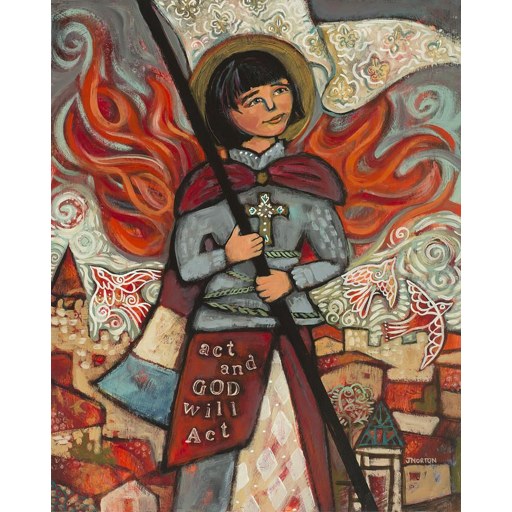
https://www.pinterest.com/ddbriseno/catholic-saint-paintings/
License: unknown
Quartus
Saint- Feast Day
- 10 November
- Gender
- male
- Church
- Catholic
Roles & Family
Biography
Quartus is an early Christian named once in the New Testament. In the Epistle to the Romans, composed by the Apostle Paul from Corinth in the mid-first century, Paul conveys greetings from local believers: Gaius, host to Paul and to the whole church; Erastus, the city treasurer; and “our brother Quartus” (Romans 16:23). The epithet “brother” marks him as a fellow Christian of standing in the Corinthian community, known at least by name to the church in Rome. Scripture supplies no further biographical detail—no origin, family, office, or later career. The Latin name Quartus (“fourth”) was common in the Roman world and is consistent with the mixed Greco-Roman population of Corinth, a Roman colony, but it does not by itself establish his birthplace or civic status.
Later ecclesiastical tradition, especially in the Greek East, identified this Quartus with one of the Seventy Apostles whom Jesus sent out in pairs according to Luke 10. Catalogues of the Seventy attributed to Hippolytus of Rome and to Dorotheus of Tyre include Quartus and state that he became bishop of Berytus (Beirut) in Phoenicia. These lists were compiled centuries after the apostolic age; they combine scattered New Testament names with pious reconstruction and cannot be confirmed from first-century sources. The same tradition sometimes ascribes missionary activity and, in some accounts, martyrdom to him, yet no contemporary passion narrative or independent historical witness survives to corroborate those claims.
In the Eastern Orthodox liturgical calendar Quartus is commemorated on 10 November together with several other figures named in Romans 16—Erastus, Olympas, Herodion (Rodion), Sosipater, and Tertius. He is also remembered on 4 January at the Synaxis of the Seventy Apostles. Western calendars give him little independent prominence; he does not occupy a major distinct feast in the Roman Martyrology. No reliable evidence remains concerning the year or place of his birth or death, his family, or any burial site. Historically he is a briefly attested companion of Paul at Corinth whose later episcopal career at Berytus belongs to ecclesiastical legend rather than to documented history.