Ramiro de León is a saint of the Catholic Church. Ramiro de León's feast day is celebrated on 13 November.
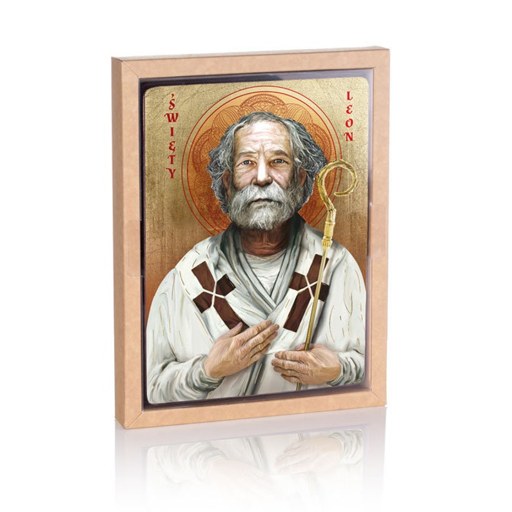
https://etsy.com/listing/1377084166/handmade-saint-leo-the-icon-catholic
License: unknown
Ramiro de León
Saint- Feast Day
- 13 November
- Gender
- male
- Church
- Catholic
Places
Roles & Family
Biography
Ramiro de León, known in Latin as Ramirus and venerated as San Ramiro, is a Christian martyr commemorated in the Roman Martyrology and in the local tradition of León in northwestern Spain. Virtually nothing about his life can be established from contemporary historical documents. The surviving account is hagiographical and was shaped in the Middle Ages. According to that tradition, Ramiro was prior of the monastery of San Claudio, a house dedicated to Saints Claudius and Lupercus, located in or near the city of León, during the sixth century under Visigothic rule.
The legend states that Ramiro and a group of companion monks, commonly numbered at twelve, were killed for remaining faithful to Nicene Christianity. In the usual telling, they were reciting the Creed when armed men entered the monastery and beheaded them. The Roman Martyrology records, on 13 November, at León in Spain, the holy martyrs Ramirus, prior of the monastery of Saint Claudius, and his companions, who were slain by the sword for the faith of Christ. No year is supplied in the martyrology.
Later writers often assigned the deaths to the mid-sixth century and connected them with Arian Visigothic persecution, sometimes naming King Leovigild. That chronology is problematic, because Leovigild reigned from 568 to 586, and some versions of the story instead blame later Muslim raids. Modern historians therefore treat the narrative as largely legendary. The cult of San Ramiro persisted in León in association with the monastery of San Claudio, but no inscription or sixth-century chronicle confirms the names or the event.
Ramiro’s date and place of birth, family, and early career are unknown. Consistent with his reported office as monastic prior, there is no record of a marriage. He did not hold the see of Rome or any patriarchal office. Like other ancient martyrs, he was not the subject of a formal papal canonization process of the later type; his name was received into martyrological and liturgical tradition through local cult. Specific patronages beyond that Leónese devotion are not securely documented in the principal historical sources.