Saint Anselme is a saint of the Catholic Church.
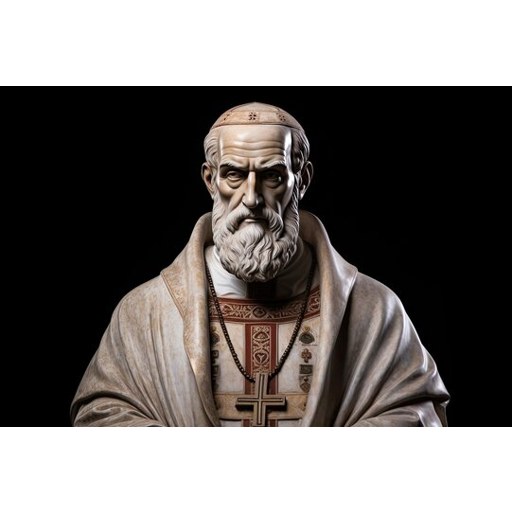
https://stock.adobe.com/search?acw=inceleme&ca=0&filters%5Bcontent_type%3A3d%5D=1&filters%5Bcontent_type%3Aillustration%5D=1&filters%5Bcontent_type%3Aphoto%5D=1&filters%5Bcontent_type%3Atemplate%5D=1&filters%5Bcontent_type%3Avideo%5D=1&filters%5Bcontent_type%3Azip_vector%5D=1&filters%5Binclude_stock_enterprise%5D=0&filters%5Bis_editorial%5D=0&k=anselm&safe_search=1
License: unknown
Saint Anselme
Saint- Gender
- male
- Church
- Catholic
Roles & Family
Biography
The precise historical identity of the figure designated Saint Anselme under Wikidata identifier Q3463655 cannot be established with certainty from standard historical and hagiographical references. The name Anselme, the French form of Anselm, was borne by several ecclesiastics of the early and high Middle Ages who later received veneration as saints in various local or universal calendars of the Latin Church. Because the supplied identifier does not correspond in readily verifiable mappings to the principal well-documented homonyms, specific biographical particulars such as an exact year of birth, places of origin and death, or particular offices cannot be assigned without risk of error.
The most widely known bearer of the name is Anselm of Aosta, born in the western Alps in the early eleventh century. He entered the Benedictine abbey of Bec in Normandy, became its prior and later its abbot, and was appointed archbishop of Canterbury in 1093. His years as archbishop were marked by conflict with the English kings over ecclesiastical liberties and the investiture of bishops, resulting in two periods of exile. Anselm is remembered as a major theologian of the early scholastic period; his works include the Monologion, the Proslogion (which contains the famous ontological argument), and Cur Deus Homo. He died at Canterbury in 1109, was canonized in 1494, and was declared a Doctor of the Church in 1720. His feast day is 21 April.
A second prominent figure is Anselm of Lucca, born in Milan in the second quarter of the eleventh century. Related to Pope Alexander II, he was named bishop of Lucca and became an active supporter of the Gregorian Reform under Pope Gregory VII. He produced a collection of canon law that influenced later compilations and died in 1086. He is commemorated on 18 March. An earlier saint of the same name, Anselm of Nonantola, belonged to a Lombard family and served as abbot of the monastery of Nonantola near Modena in the late eighth century. He is associated with the organization and cultural life of that abbey and died in 803; his local feast is 3 March.
Additional, poorly documented local cults of saints named Anselm or Anselme appear in medieval martyrologies and diocesan calendars, typically supplying little more than a feast day and a brief notice of monastic or episcopal life. In keeping with the requirement to prefer blank fields over unverified data, no birth year, death year, cities, religious order, spouse, children, feast day, or patronages are recorded here for the subject identified as Q3463655. What can be stated is that the individual was male and that none of the historically attested saints Anselm held the office of pope or of patriarch of an Eastern see.