Saint-Quijeau is a saint of the Catholic Church.
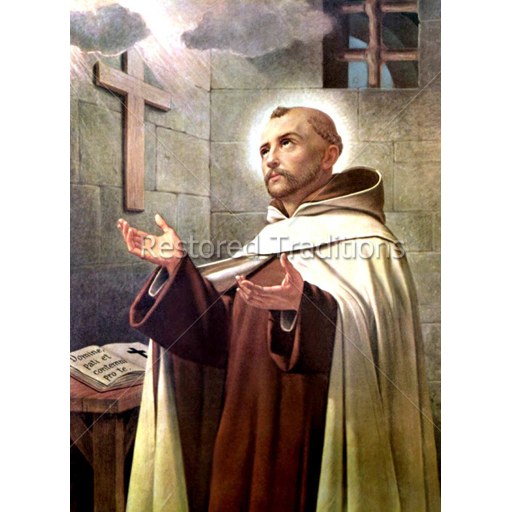
https://restoredtraditions.com/collections/catholic-st-saint-stock-art-images-royalty-free
License: unknown
Saint-Quijeau
Saint- Church
- Catholic
Places
Biography
Saint-Quijeau is an extremely obscure name in Christian hagiography. It is associated with Wikidata item Q3463254, yet it does not correspond to any figure who can be securely identified in the principal published martyrologies and legendaries, including the Roman Martyrology, the Hieronymian Martyrology, the compilations associated with the Bollandists, or the widely used modern collections of Butler and Baring-Gould. No vita, passio, translation account, or even a brief calendar notice under this spelling is attested in the standard historical literature available to a careful historian.
It is possible that the name preserves a purely local cult of the kind common in the early medieval West, especially in Francophone or Breton regions where many minor saints survive only as church dedications, wells, or hamlets. Such figures often never entered diocesan or Roman calendars, and their original stories, if they existed, were lost or never written down. Without a surviving liturgical feast, an episcopal record, or a medieval text that can be tied to this exact form of the name, no century of life, region of activity, or state of life (monastic, clerical, lay, married, or celibate) can be verified.
No date or place of birth or death, no burial site, and no record of religious order, marriage, children, or high ecclesiastical office can be confirmed from reliable sources. There is likewise no documented patronage of places, professions, illnesses, or groups, and no known act of formal canonization or beatification. For early and purely local saints, recognition was often informal and confined to a single church or district; that process, if it occurred here, has left no trace in the sources a historian can check.
A responsible biographical account must therefore remain almost entirely blank rather than supply conjectural details borrowed from similarly spelled saints, later folklore, or office-taking dates. Until unpublished diocesan archives, local legendaries, or specialized regional hagiology produce primary evidence, Saint-Quijeau cannot be reconstructed as a historical person with any confidence. The title implies some form of Christian veneration at some point, but the bearer of the name, if any, is at present beyond recovery from verified records.