Saint Trèche is a saint of the Catholic Church.
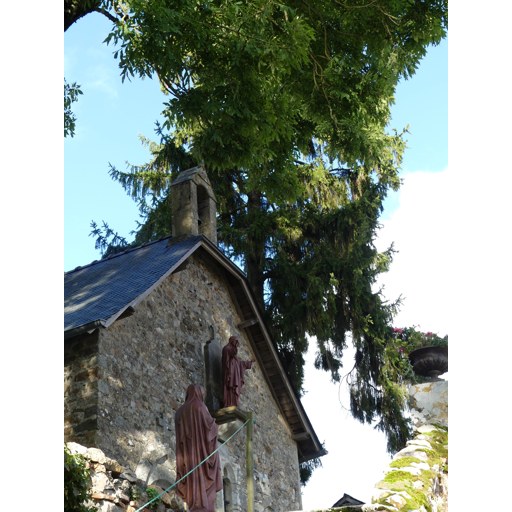
Brunodumaine
License: CC BY-SA 4.0
Saint Trèche
Saint- Gender
- male
- Church
- Catholic
Roles & Family
Biography
Saint Trèche is an obscure figure in Christian hagiography. No vita of established medieval authorship, no entry that yields a dated biography in the Roman Martyrology, and no securely identified notice in the major Bollandist collections can be verified under this name from standard published sources. Precise years of birth and death, a place of origin, a place of death, and a burial site are therefore unknown. The name is associated in French ecclesiastical geography with minor local cult and with certain chapels or toponyms, which is consistent with a regional devotion in central or southwestern France, possibly in the historical Limousin, but even that geographic link cannot be treated as a fully documented historical fact.
Like many holy names that survive from late antique and early medieval Gaul, Saint Trèche may represent a locally venerated priest, hermit, or confessor whose memory was preserved in parish dedication or relic tradition after written records, if they ever existed, had been lost. The first millennium of Latin Christianity produced a large number of such figures. Their cults were typically recognized by local bishops or by popular devotion rather than by a later papal process of canonization. No record of a formal beatification or canonization for Saint Trèche is known from the reference literature, and no feast day for this saint appears in a form that can be independently confirmed in the universal calendar.
Because no authentic medieval life has been identified, it is not possible to state whether he belonged to a religious order, whether he held episcopal office, or what the manner of his death was. There is no indication in the historical lists of the Bishops of Rome or of the patriarchal sees of the East that anyone bearing this name occupied those offices. Questions of marriage and children likewise cannot be answered from surviving evidence. Any patronages attached to Saint Trèche, if they exist at all, would belong to highly localized tradition rather than to a documented universal cult.
Responsible historical writing on such a subject consists in acknowledging the limits of the evidence. Saint Trèche stands as an example of the many names on the margins of the hagiographical record: possibly remembered in a particular landscape, but not recoverable as a fully documented biography. Conjecture about century of activity, companions, miracles, or missionary work would exceed what can be verified and is therefore omitted.