Saint Warinus is a saint of the Catholic Church (d. 677). Saint Warinus's feast day is celebrated on 25 August.
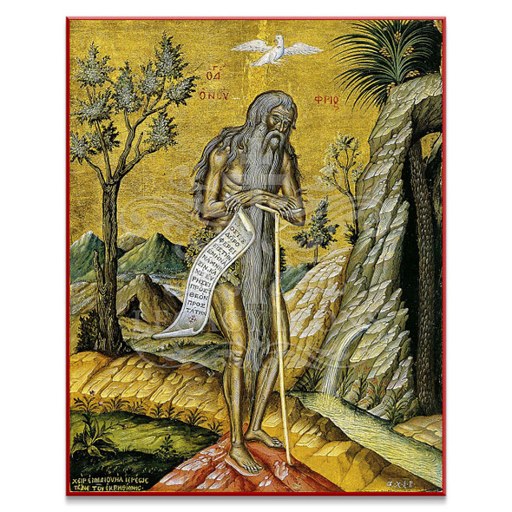
https://legacyicons.com/warrior-saints-xviic-icon-s371
License: unknown
Saint Warinus
Saint- Life Span
- d. 677
- Feast Day
- 25 August
- Gender
- male
- Church
- Catholic
Places
Roles & Family
Religious Information
Biography
Saint Warinus (also known as Warin, Guerin, or Guerinus) was a Frankish nobleman and martyr of the seventh century, associated with the county of Poitiers in Merovingian Gaul. He belonged to a distinguished aristocratic lineage later remembered as a family of saints. His mother was Saint Sigrada, who after widowhood entered the convent of Notre-Dame at Soissons. His brother was Saint Leodegarius (Léger), Bishop of Autun and one of the leading churchmen of his generation. Medieval notices often name their father as Bodilon, a count connected with Poitiers. Warinus married Gunza (also called Kunza), a noblewoman of the Trier region and sister of Saint Basinus, Bishop of Trier. Their son Saint Leudwinus (Liutwin) became Bishop of Trier and is credited with founding the abbey of Mettlach. Through this marriage and offspring, Warinus stands at the junction of Burgundian-Poitevin and Moselle-Frankish saintly cults. Some modern summaries also call him Count of Paris, but that title is thinly documented compared with his association with Poitiers.
Warinus lived when Merovingian royal authority was weak and real power lay with the mayors of the palace and with regional aristocracies. His brother’s career as bishop of Autun drew the family into the bitter conflict between Burgundian notables and Ebroin, Mayor of the Palace of Neustria. Leodegarius had been a leading counsellor under King Childeric II. After Childeric II was assassinated in 675, the political order collapsed. Ebroin, earlier forced into monastic exile at Luxeuil, returned to Neustria, reasserted control, and pursued those he regarded as enemies. The kin of Leodegarius were among the victims of this revenge. Sigrada was subjected to confinement and hardship at Soissons. Leodegarius himself was later captured, mutilated, and killed. As a secular count and the bishop’s brother, Warinus was a natural target in the same feud.
Hagiographical and later historical accounts state that Warinus was taken and put to death by stoning in 677, in the countryside near Arras in Neustria. The violent manner of his death, suffered in a political purge directed at his family, led to his being honoured as a martyr. Surviving evidence for his life is limited. There is no contemporary biography devoted to him alone; what can be said is pieced together from the more substantial dossier of Saint Leodegarius, from notices concerning Saint Leudwinus and Saint Sigrada, and from medieval liturgical and genealogical tradition. His year and place of birth are not recorded, nor is a reliable account of his burial preserved.
Veneration of Warinus remained modest and was largely absorbed into the better-known cults of his brother in Burgundy and Autun and of his son in the diocese of Trier. He is listed among the saints of the Frankish church and is assigned in some calendars to 25 August. Like other holy figures of the Merovingian period, he was recognised as a saint by local acclaim long before the later medieval system of papal canonization. No well-attested patronages of places, trades, or causes are attached to his name in the standard hagiographical repertoires. He is of interest to historians chiefly as a lay magnate whose death illustrates the fusion of aristocratic feud, palace politics, and martyr cult in seventh-century Francia, and as a genealogical link in one of the best-known saintly families of the age.