Salvador Mollar is a blessed of the Catholic Church (1896 - 1936). Salvador Mollar's feast day is celebrated on 27 September.
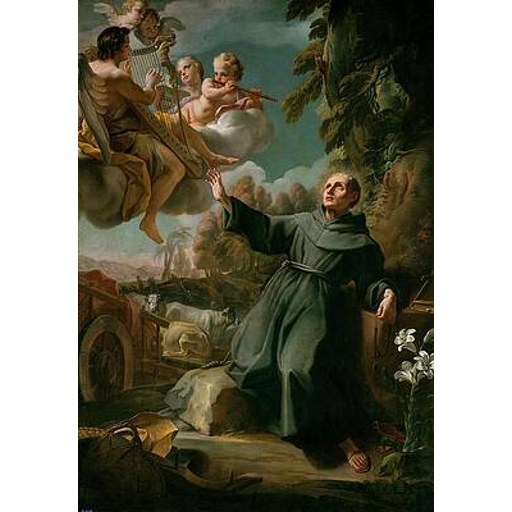
https://fineartamerica.com/art/paintings/san+salvador
License: unknown
Salvador Mollar
Blessed- Life Span
- 1896 - 1936 (age 40)
- Feast Day
- 27 September
- Gender
- male
- Church
- Catholic
Places
Roles & Family
Religious Information
Canonization
Biography
Blessed Salvador Mollar Ventura was a Spanish Franciscan lay brother who was killed during the anti-Catholic persecution that accompanied the Spanish Civil War. He was born on 27 March 1896 in Manises, in the province of Valencia, a town long associated with ceramic manufacture. Formed in a Catholic household, he entered the Order of Friars Minor as a lay brother rather than as a cleric, taking the Franciscan habit and living under the Rule of Saint Francis. He was assigned to the convent of Santo Espíritu del Monte at Gilet in the Valencian hinterland, a house of recollection where he followed the ordinary round of prayer, manual work, and fraternal life proper to a Franciscan brother in the early twentieth century.
In July 1936, after the military rising and the outbreak of civil war, violent anticlericalism swept the Republican zone, including Valencia. Convents were sacked or closed and religious were hunted as enemies of the new order. The Franciscan community at Gilet was dispersed. Brother Salvador, still identifiable as a consecrated religious, was seized and put to death on 27 September 1936 out of hatred for the faith. He was about forty years old. His killing belongs to the large number of clergy, religious, and lay Catholics murdered in the Archdiocese of Valencia between 1936 and 1939, one of the regions most severely affected by the persecution.
After the war, diocesan inquiries collected testimony for the causes of those who had died in odium fidei. Salvador Mollar Ventura was included among the 233 martyrs of the Archdiocese of Valencia beatified by Pope John Paul II in Saint Peter's Square on 11 March 2001. He has not been canonized. He is remembered in the Franciscan family and in the local Church of Valencia as a humble lay brother who remained faithful to his vows under persecution. Little is recorded of personal writings or wonders in life; his cult rests on the Church's judgment that he died as a martyr. He stands for the many obscure religious whose names were preserved among the Valencian martyrs of the twentieth century.