Simplicio of Olbia is a saint of the Catholic Church. Simplicio of Olbia's feast day is celebrated on 15 May. Simplicio of Olbia is the patron saint of Olbia.
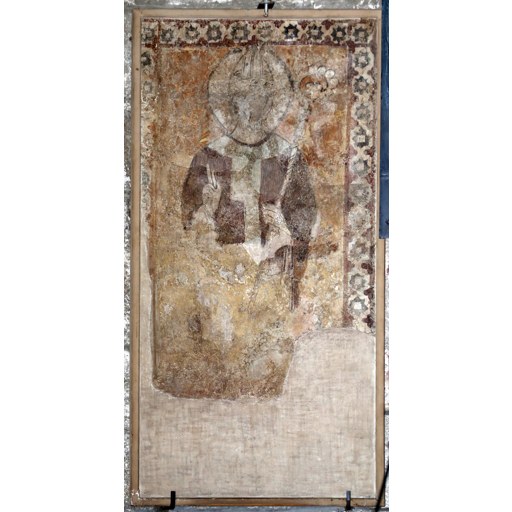
Sailko
License: CC BY-SA 4.0
Simplicio of Olbia
Saint- Feast Day
- 15 May
- Gender
- male
- Church
- Catholic
Places
Sacred Place

Roles & Family
Patronage
Olbia
Biography
Saint Simplicius, known in Italian as Simplicio, is venerated as an early bishop and martyr associated with the ancient port city of Olbia in northeastern Sardinia (the region of Gallura). Contemporary documentation of his life is lacking. What is known rests on later medieval tradition, the continuity of a local cult, and his entry in the Roman Martyrology. He is regarded in that tradition as the first bishop of Olbia.
Hagiographical accounts place his martyrdom in the persecution of Christians under the emperor Diocletian in the early fourth century. He is said to have been beheaded at Olbia after refusing to renounce the Christian faith. Later sources often assign the conventional date of 304, corresponding to the height of that persecution, but no independent contemporary record confirms either the precise year or the details of the passion. His death made him one of the early Christian figures commemorated on the island.
The cult of Simplicius is firmly attested from the Middle Ages. In the eleventh and twelfth centuries a granite Romanesque basilica was built on a hill outside the medieval settlement of Civita (the name then used for Olbia), on a site traditionally linked to his burial. The Basilica of San Simplicio, with its three naves, served for centuries as the cathedral of the local diocese and remains the principal shrine. Relics attributed to the saint are preserved there, and the church is the focal point of his veneration.
The Roman Martyrology commemorates him on 15 May as bishop and martyr at Olbia in Sardinia. He is the principal patron saint of the city of Olbia, where the feast is observed with liturgical rites, processions, and civic celebrations. While historical scholarship treats the biographical particulars with caution because of the late and legendary character of the sources, Simplicius has remained central to the religious identity of Olbia and Gallura from the medieval period to the present.