Teresa Helena Higginson is a servant of god of the Catholic Church (1844 - 1905).
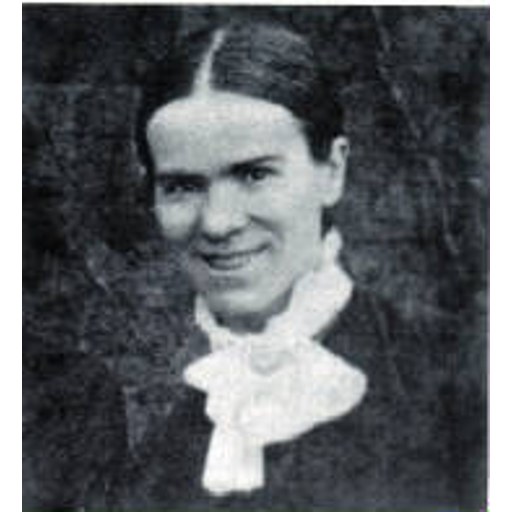
Unknown authorUnknown author
License: Public domain
Teresa Helena Higginson
Servant of God- Life Span
- 1844 - 1905 (age 61)
- Gender
- female
- Church
- Catholic
Places
Roles & Family
Biography
Teresa Helena Higginson was a nineteenth-century English Roman Catholic schoolteacher whose name became associated with reported mystical phenomena and with a distinctive devotion to the Sacred Head of Jesus as the Seat of Divine Wisdom. She was born in 1844 in Gainsborough, Lincolnshire, to Robert Francis Higginson and Mary Higginson (née Bowness), converts to the Catholic Church. The family suffered repeated financial setbacks, and her childhood involved several changes of residence. She was educated in convent schools, including by the Sisters of Mercy, and from early years showed a marked religious seriousness. She did not enter a religious congregation. Instead she prepared for work as a teacher and spent her adult life as a laywoman in Catholic elementary education, chiefly among poor children in the industrial towns of northern England.
Her teaching career included posts in Lancashire, among them work in Wigan and a well-documented period at St Alexander’s School in Bootle, near Liverpool, in the later 1870s and early 1880s. It was during those Bootle years that accounts of extraordinary experiences clustered most densely. Supporters described visions, locutions, prolonged ecstasies, alleged levitation, and the stigmata. Higginson presented herself as charged with spreading devotion to the Sacred Head of Christ, which she taught as the seat of Divine Wisdom and as complementary to the already established devotion to the Sacred Heart. A number of priests, including spiritual directors who knew her, treated the claims as genuine; others, consistent with ordinary ecclesiastical caution toward private revelation, remained sceptical or reserved. Her letters to confessors and friends, later collected and published by admirers, are the main surviving record of her interior teaching.
She never married and had no children, and she took no vows in a religious order, though she sometimes lived near convents and depended on the hospitality of friends and sympathetic clergy. After leaving Bootle she moved among various households in England and Wales, including periods connected with the shrine of St Winefride at Holywell. In her final years she was living in Devon. She died in 1905 at Chudleigh. Interest in her reputation did not end with her death. Early twentieth-century biographies, notably that by Lady Cecil Kerr drawing on correspondence and testimony, presented her as a soul of unusual holiness. Informal steps toward a cause of beatification were discussed in English Catholic circles, and some writers have called her a Servant of God.
The Catholic Church has not beatified or canonized her. She has no feast on the General Roman Calendar and no formally assigned patronages. Assessment of her life remains divided between those who read her as a genuine mystic of the industrial age and those who regard the phenomena as psychologically or historically unresolved. Her memory is preserved mainly among students of modern English Catholic mysticism and among those who still promote the Sacred Head devotion she advocated. The documentary core of that memory is her correspondence and the testimony gathered by her early biographers, rather than any official liturgical cult.