Veronica of Milan is a blessed of the Catholic Church (1445 - 1497). Veronica of Milan's feast day is celebrated on 13 January.
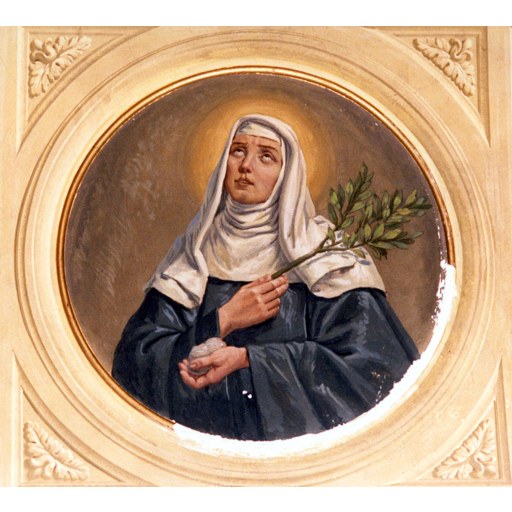
G. Scuri
License: CC BY-SA 3.0
Veronica of Milan
Blessed- Life Span
- 1445 - 1497 (age 52)
- Feast Day
- 13 January
- Gender
- female
- Church
- Catholic
Places
Roles & Family
Religious Information
Canonization
Biography
Veronica of Milan, also known as Veronica of Binasco, was born about 1445 in the village of Binasco near Milan, in the Duchy of Milan in northern Italy, to a family of poor peasants. From childhood she was noted for piety while working in the fields and later in domestic service. Though long illiterate, she wished to learn to read in order to recite the Divine Office. Later hagiography relates that she received miraculous help in learning, sometimes attributed to the Blessed Virgin Mary or to an angel. Precise details of her family and early years are known only from convent tradition and early modern lives, not from independent contemporary records.
Seeking a religious vocation, she first applied to a community of Poor Clares and was refused because she could not read. In 1463 she was received as a lay sister, or converse, at the Augustinian monastery of Santa Marta in Milan. There she spent more than three decades in the humblest work of the house—cooking, washing, and other menial labor—accepting these tasks with humility and obedience and treating them as a path to holiness rather than as a lesser form of religious life. She remained a converse rather than a choir nun for the rest of her life.
In the convent she was reputed to have received numerous visions and revelations. She contemplated the Passion of Christ with particular intensity and was said to have been granted appearances of the Blessed Virgin Mary and of various saints. Early biographers attributed to her gifts of prophecy and of reading hearts, and described severe bodily mortifications alongside gentleness and charity toward her sisters. These mystical claims rest on hagiographical testimony from her community and later Augustinian writers; they cannot be independently verified in the modern historical sense, but they formed the core of her cult from the start.
Veronica died in Milan on 13 January 1497 and was buried at Santa Marta. Devotion arose quickly among the people of Milan and within the Augustinian order. Pope Leo X authorized her public veneration in 1517, an act generally treated as her beatification. She is commemorated on 13 January. Although popularly called a saint, she was not the subject of a later formal canonization process. Her life is known primarily through early modern hagiography and the traditions of her convent; some particulars of her visions and miracles remain pious tradition rather than independently documented history.