Virgin Martha is a saint of the Catholic Church. Virgin Martha's feast day is celebrated on 29 July. Virgin Martha is the patron saint of cooks;dietitians;domestic servants;homemakers;hotel-keepers;housemaids;housewives;innkeepers;laundry workers;maids;servants;single laywomen;travellers;waiters;waitresses.
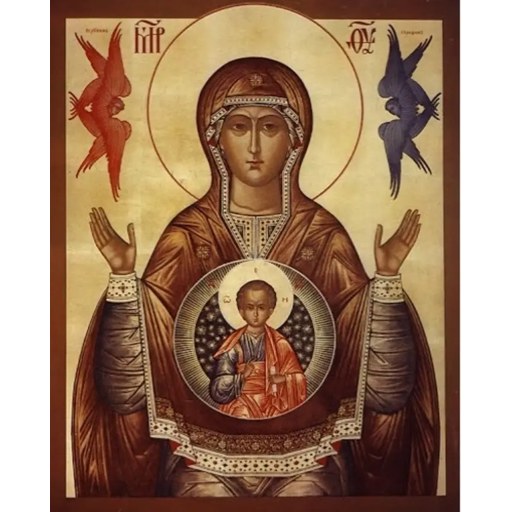
https://blog.ecclesiasticalsewing.com/2025/07/01/the-story-of-saint-luke-and-the-first-painting-of-the-virgin-mary/
License: unknown
Virgin Martha
Saint- Feast Day
- 29 July
- Gender
- female
- Church
- Catholic
Places
Roles & Family
Patronage
cooks;dietitians;domestic servants;homemakers;hotel-keepers;housemaids;housewives;innkeepers;laundry workers;maids;servants;single laywomen;travellers;waiters;waitresses
Biography
Saint Martha, styled a virgin in the Roman Martyrology, was a disciple of Jesus who lived in the village of Bethany in Judea in the first century. The Gospels identify her as the sister of Mary and of Lazarus. Luke records that Jesus entered their house, where Martha was occupied with the work of hospitality while Mary sat at his feet and listened. When Martha asked that her sister be told to help her, Jesus answered that Mary had chosen the better part, which would not be taken from her. John gives a fuller picture of the same household. When Lazarus fell ill and died, Martha went to meet Jesus on the road and said that if he had been present her brother would not have died, yet she added that she knew God would grant whatever Jesus asked. She then made an explicit confession of faith: that Jesus was the Messiah, the Son of God, the one coming into the world. Jesus raised Lazarus. At a subsequent supper in Bethany, Martha again served while Mary anointed Jesus.
Nothing further about her life is recorded in the New Testament, and no contemporary extra-biblical source supplies a date or place of death. Eastern Christian memory simply kept her among the close friends of Jesus in the Holy Land. From the high Middle Ages a Western legend, given classic form in the Golden Legend, asserted that Martha, together with Mary Magdalene and Lazarus, was cast adrift in a rudderless boat and came ashore in Provence. There she was said to have preached, to have lived at Tarascon, and to have subdued a monstrous creature called the Tarasque by prayer and the sign of the cross. These stories cannot be traced before the ninth to twelfth centuries and are treated by historians as later pious romance rather than recoverable fact.
Veneration of Martha is ancient in both East and West. The Latin Church has kept her feast on 29 July and has consistently titled her virgin. The Eastern Orthodox Church commemorates Mary and Martha together on 4 June, in addition to the remembrance of Lazarus on the Saturday before Palm Sunday. Because the Gospels show her serving at table, she became the patron of cooks, servants, housewives, innkeepers, and all whose work is hospitality; she is also invoked by travellers and by unmarried laywomen. Medieval devotion in southern France centred on a shrine at Tarascon, but no historically secure link between the biblical Martha and that site can be demonstrated.
Theological reflection has long seen in Martha and Mary complementary vocations of active service and contemplative attention, while her confession before the tomb of Lazarus has been read as an early and clear Christological statement. The details of her later years, the circumstances of her death, and the place of her burial remain unknown to history. What has endured is the memory of a woman of Bethany who received Jesus into her house, served him, believed in him, and became for later centuries a model of practical charity joined to firm faith.