Vittore di Fausania is a saint of the Catholic Church.
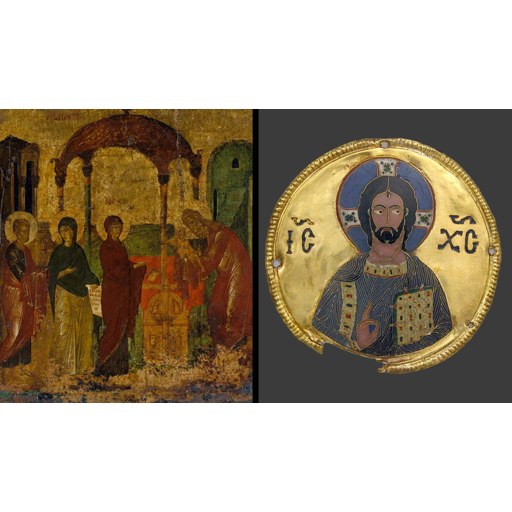
https://www.thecollector.com/byzantine-art-iconography/
License: unknown
Vittore di Fausania
Saint- Gender
- male
- Church
- Catholic
Roles & Family
Biography
Vittore di Fausania, known in Latin sources as Victor of Fausania or Victor of Phausania, was bishop of the ancient diocese of Fausania in northern Sardinia in the late sixth century. The see, whose territory corresponded to the region of Gallura, is generally identified with the area of present-day Olbia. Fausania is among the early Christian communities of the island attested in late antiquity; its bishops appear in papal correspondence, and the later medieval basilica of San Simplicio at Olbia is traditionally associated with the memory of the see, though that church is dedicated to an earlier bishop, Simplicius, rather than to Victor himself.
Victor is historically documented through the register of Pope Gregory I (Gregory the Great). In 599 Gregory addressed him as bishop of Fausania. The papal letters of this period concerning Sardinia deal with the island’s ecclesiastical organization under Byzantine imperial administration, with clerical discipline, with church property, and with the persistence of pagan practice in rural districts. Gregory wrote frequently to the Sardinian episcopate, including the metropolitan at Cagliari, and Victor belongs to that generation of bishops who remained in communion with Rome while living under the political authority of the Eastern Roman Empire. No other contemporary narrative source for his life is known.
Nothing reliable survives concerning Victor’s origins, education, or the circumstances of his elevation to the episcopate. No source records his date or place of birth, the date or place of his death, or his burial. Later local tradition in Sardinia has sometimes numbered him among the holy bishops of the island, but he does not appear with a fixed cult, feast, or patronage in the principal martyrologies, and the details of any later veneration remain poorly documented. His historical footprint therefore rests almost entirely on the brief but authentic witness of Gregory the Great’s correspondence, which confirms that a bishop of that name governed the church of Fausania at the turn of the seventh century.