Vladimir Lozina-lozinsky is a saint of the Eastern Orthodox Church (1885 - 1937). Vladimir Lozina-lozinsky's feast day is celebrated on 26 December.
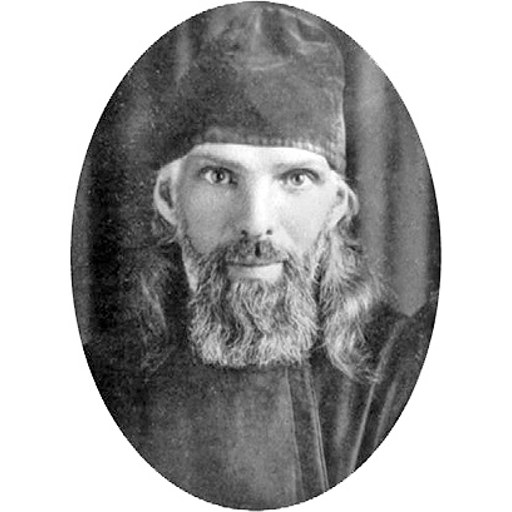
Unknown authorUnknown author
License: Public domain
Vladimir Lozina-lozinsky
Saint- Life Span
- 1885 - 1937 (age 52)
- Feast Day
- 26 December
- Gender
- male
- Church
- Eastern Orthodox
Places
Roles & Family
Canonization
Biography
Vladimir Konstantinovich Lozina-Lozinsky was born on 26 May 1885 in Saint Petersburg, capital of the Russian Empire, into a family of the hereditary nobility with Polish roots. His father, Konstantin Stepanovich Lozina-Lozinsky, was a physician. Vladimir received the education customary for his class in the late imperial period, attending the Imperial School of Jurisprudence and graduating from the law faculty of Saint Petersburg University. He then worked in the legal profession, including posts connected with the imperial administration of justice, until the revolutions of 1917 destroyed the old political and social order in which he had been formed.
In the years after the Bolshevik seizure of power he entered the service of the Russian Orthodox Church. He was ordained deacon and priest and later raised to the rank of protoiereus (archpriest). He ministered in the Petrograd–Leningrad diocese at a time when the Soviet state was closing churches, confiscating ecclesiastical property, and subjecting clergy to surveillance, arrest, and exile. As an archpriest of the parish (white) clergy he belonged to the married priesthood, in accordance with the Orthodox canonical rule that candidates for that rank be married before ordination. Precise names of his wife and any children are not firmly established in the published martyrological notices.
Father Vladimir was arrested more than once during the 1920s and 1930s. He spent periods in prison and in internal exile, yet resumed pastoral work whenever he was released. In 1937, during the mass NKVD operations of the Great Terror, he was arrested in Leningrad, condemned by an extrajudicial troika on charges of counter-revolutionary activity, and shot on 26 December 1937. The exact site of his burial is unknown; victims of the Leningrad executions of that year were typically placed in unmarked mass graves on the outskirts of the city.
In August 2000 the Jubilee Bishops’ Council of the Russian Orthodox Church glorified him as a hieromartyr among the New Martyrs and Confessors of Russia. His memory is kept on the date of his martyrdom and together with the synaxis of the twentieth-century Russian new martyrs. Surviving records of his successive parish assignments remain fragmentary, as is common for clergy whose files were created by the Soviet security organs, but the outline of his life—from noble jurist of the old regime to priest and victim of the 1937 terror in Leningrad—is firmly established in the martyrologies of the Moscow Patriarchate.