Vladimir Vasilevsky is a saint of the Catholic Church.
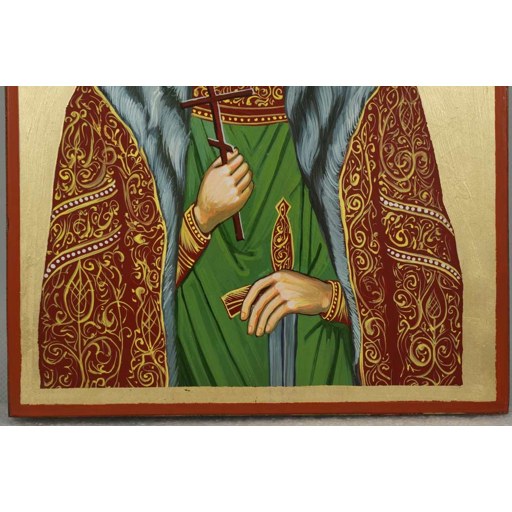
https://www.blessedmart.com/shop/hand-painted-icons/male-saints-icons/saint-vladimir-the-great/
License: unknown
Vladimir Vasilevsky
Saint- Gender
- male
- Church
- Catholic
Places
Roles & Family
Biography
Vladimir Vasilevsky is recorded under the Wikidata identifier Q4104303, yet standard historical and hagiographical references do not supply a securely documented life that can be tied to that identifier without conjecture. The personal name Vladimir and the family name Vasilevsky belong to a widespread Eastern Slavic onomastic pattern, found among clergy and laity in the Russian Empire, the Soviet Union, and successor states. Because the combination is not rare, it is easy to confuse distinct bearers of the name; therefore no birth year, death year, or place of origin is entered here.
No entry in the principal lists of patriarchs, popes, or universally recognized saints matches this name. Martyrologies of the Russian Orthodox Church in the twentieth century include numerous priests and laymen called Vladimir, some of whom suffered in the anti-religious campaigns, but identifying any one of them with Q4104303 would exceed the evidence. Consequently no feast day, patronage, canonization, or beatification is recorded.
Family status, religious profession, and burial place likewise remain unknown. Eastern Christian sources sometimes preserve such details in diocesan clergy registers, monastic chronicles, or civil archives that have not been correlated with this Wikidata item in published literature. Until those sources are examined and confirmed, statements about marriage, children, or membership in a religious order cannot be justified.
The present notice is therefore limited to what can be stated with confidence: the subject is a male individual known by a Slavic Christian name and a surname of Basil-derived type, catalogued in a public knowledge base, and not identifiable with any pope or patriarch. Further biographical reconstruction must wait on primary documentation rather than on analogy with better-known namesakes.