Włodzimierz Laskowski is a saint of the Catholic Church (1886 - 1940). Włodzimierz Laskowski's feast day is celebrated on 12 June.
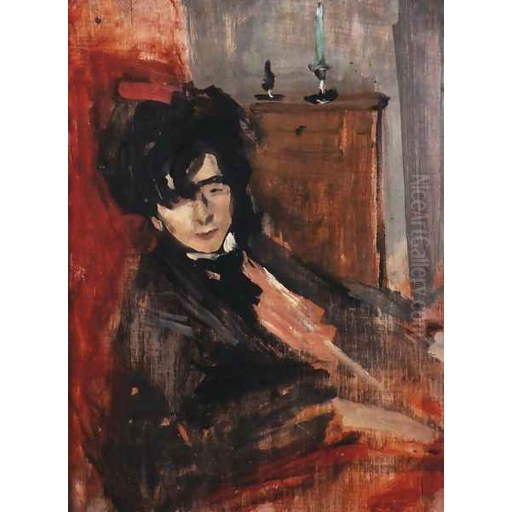
https://www.niceartgallery.com/Konrad-Krzyzanowski/Portrait-of-Roman-Laskowski.html
License: unknown
Włodzimierz Laskowski
Saint- Life Span
- 1886 - 1940 (age 54)
- Feast Day
- 12 June
- Gender
- male
- Church
- Catholic
Places
Roles & Family
Canonization
Biography
Włodzimierz Laskowski was a Polish Roman Catholic diocesan priest and martyr of the Second World War. He was born on 30 January 1886 in the village of Rogalin in Greater Poland, near Poznań. At the time of his birth the region formed part of the Prussian Province of Posen within the German Empire, though its population was largely Polish and Catholic. He received priestly formation in this setting and was ordained for the Archdiocese of Poznań (then linked with Gniezno). He exercised ordinary pastoral ministry as a secular priest in the Poznań region through the late partitions period and the interwar Polish Republic.
After the German invasion of Poland in September 1939, the Nazi occupation in the Warthegau pursued an especially harsh policy against the Polish clergy and intelligentsia, whom the authorities treated as bearers of Polish national and religious identity. Father Laskowski was arrested and imprisoned in Fort VII (Fort Colomb) in Poznań, a former Prussian fortification converted into one of the earliest internment and killing sites on occupied Polish soil. Conditions there included overcrowding, starvation, interrogation, and frequent deaths of Polish prisoners, among them many priests.
He died in Fort VII on 8 August 1940 as a victim of that persecution. The Catholic Church later judged his death to be martyrdom in hatred of the faith. On 13 June 1999, during an apostolic visit to Poland, Pope John Paul II beatified him in Warsaw together with 107 other Polish victims of Nazi persecution, the group known as the 108 Martyrs of World War II. Their collective liturgical commemoration is 12 June. Laskowski has not been canonized and remains little known as an individual figure outside the hagiography of that group, but his life belongs to the larger witness of the Polish Church under occupation in the twentieth century.