Yekaterina Arskaya is a saint of the Catholic Church (1875 - 1937). Yekaterina Arskaya's feast day is celebrated on 17 December.
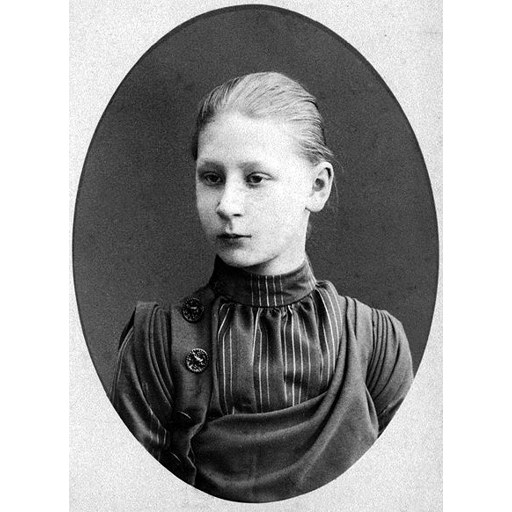
Unknown authorUnknown author
License: Public domain
Yekaterina Arskaya
Saint- Life Span
- 1875 - 1937 (age 62)
- Feast Day
- 17 December
- Gender
- female
- Church
- Catholic
Places
Roles & Family
Religious Information
Canonization
Biography
Yekaterina Andreyevna Arskaya was born in 1875 in Saint Petersburg, capital of the Russian Empire, into a family of hereditary nobility. Church and biographical notices commonly give her maiden name as von Reutern. She received the education customary for women of her class in the late nineteenth century. In 1899 she married Pyotr Mikhailovich Arsky, an officer. They had four children and lived in the imperial capital. Until the revolutions of 1917 she belonged to the well-to-do urban society of Saint Petersburg; nothing in the surviving notices suggests that she was then a public religious figure.
The Bolshevik seizure of power destroyed that household. Her husband perished in the early Soviet years, the family was dispossessed, and she was left to support herself amid civil war, famine, and the first campaigns against the Church. She took ordinary paid work, including nursing. In Petrograd, later Leningrad, she became closely associated with the informal Alexander Nevsky Brotherhood gathered around the Alexander Nevsky Lavra. That circle of clergy, intellectuals, and devout laity tried to keep Orthodox worship, instruction, and charity alive under state pressure, including the Renovationist schism and repeated arrests of bishops and priests. Arskaya, a widow and mother, took part in this work as a laywoman rather than as a member of a monastic order.
She was arrested in 1932 in the case against the Alexander Nevsky Brotherhood and sentenced to a term in the labor camps, which she served in the Soviet interior before release. She returned to Leningrad and continued discreet church activity. In 1937, during the Great Terror, she was arrested again, charged with counter-revolutionary activity, and condemned to death by an NKVD troika. She was shot on 17 December 1937 in Leningrad. Like thousands of others executed there that year, she was buried without a recorded individual grave.
The Russian Orthodox Church glorified her among the New Martyrs and Confessors of Russia in the early twenty-first century. She is commemorated on 17 December and with the synaxis of the new martyrs. Hagiographical accounts present her as a widow who, having lost worldly security, gave her remaining years to the persecuted Church and accepted death rather than abandon the faith. Independent material beyond NKVD investigative files and later church synaxaria is limited, especially in languages other than Russian; the outline above follows those sources without adding unverified incident or dialogue.